About
-
Date
4 August 2026
-
Time
12pm–5pm AEST
-
Location
ASX Sydney Office, 39 Martin Place, Sydney NSW 2000
Date
4 August 2026
Time
12pm–5pm AEST
Location
ASX Sydney Office, 39 Martin Place, Sydney NSW 2000
With the Australian Government’s planned 2026-2027 Safeguard Mechanism Review (2026-27 Review), the Safeguard Mechanism will come into public focus in terms of how it is meeting its policy objectives and ultimately supporting Australia’s national emissions reduction targets for 2030 and 2035.
This year’s Symposium explores the Carbon Market Institute’s (CMI) overarching goals for the 2026-2027 Review as well as perspectives on the Mechanism’s performance to date.
Drawing together industrial, finance and policy leaders, it will provide an opportunity to discuss what changes might be needed to support long term stability for investment and enable onsite decarbonisation.
The event will include two moderated panel discussions before closing with a fireside chat. Networking drinks will follow. This is an in-person only event.
CMI Member – $300 + gst
Non-Member – $375 + gst
Registrations open and morning tea served
Acknowledgement of Country & Opening Remarks

Dr. Sasha Courville

Jennifer Eason
Foreword: Context for the 2026-2027 Safeguard Mechanism Review
While the scope of the 2026-27 Review was published at the time of the Safeguard Mechanism reforms in 2023, its reach appears to have expanded with the publication of the Net Zero Plan and the Carbon Leakage Review Final Report. The Review also comes at a time of increasing geopolitical and economic uncertainty.
These opening presentations will provide context on the government’s intended scope of the 2026-2027 Review and key topics for consultation with industry.

Daniel Besley

Jennifer Bradley
Panel 1: Policy stability and certainty as an enabler for investment
Speakers on this first panel will contemplate the importance of policy stability and certainty in Australia’s carbon market, to support investment decision making both in the industrial context and towards broader abatement efforts in the land sector. The need for capital and foreign investment to support emissions reductions at scale calls for policy that is well-signalled with considered timing. Concerns regarding climate policy durability, future compliance settings and the associated long-term liability create unnecessary extra costs and financing barriers to investment in on-site decarbonisation and ACCU Scheme carbon projects. The panel will also critically analyse ways in which the Safeguard Mechanism could be calibrated to enable its longer-term effectiveness.
Moderator

Will Acworth

Ian Waddell

Steve Hatfield-Dodds
Alison Reeve

Danielle de la Cour
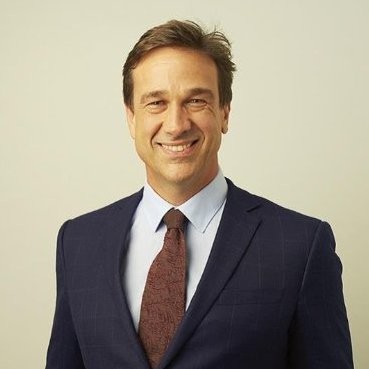
Paul Evans
Panel 2: Enabling on-site emissions reductions
To address the policy goal of decarbonising Australia’s industrial sectors, further incentives for on-site, or direct, emission reduction should be considered, while preserving flexibility where on-site abatement is not yet viable. To date, emissions reduction investment in Safeguard Mechanism facilities has largely been driven by complementary policies, government assistance, and the availability of low-cost abatement opportunities rather than the Safeguard reforms. The next tranche of on-site decarbonisation opportunities is materially more complex and may require adjustment to the Safeguard Mechanism as well as complimentary policies. This panel will explore what additional policy reform may be needed to enable Australia’s next tranche of industrial decarbonisation projects.
Moderator

Kelly Smith

Karen Durand

Grace Tully

Steven Wright

Tessa Leach

Frank Jotzo
Fireside chat: The CEO and the Co-Chairs
In October 2025, CMI stood up its member-based Safeguard Mechanism Taskforce with a view to developing evidence-based reform recommendations that seek to maximise the Safeguard Mechanism’s potential to facilitate emissions reductions both in the industrial sector and across the broader economy. CMI’s Safeguard Mechanism Taskforce co-chairs will discuss their experience of working with CMI to coordinate and communicate the wealth of knowledge and experience in CMI’s membership to inform a constructive review process with government and industry alike.
Moderator
Dr. Sasha Courville

Bret Harper
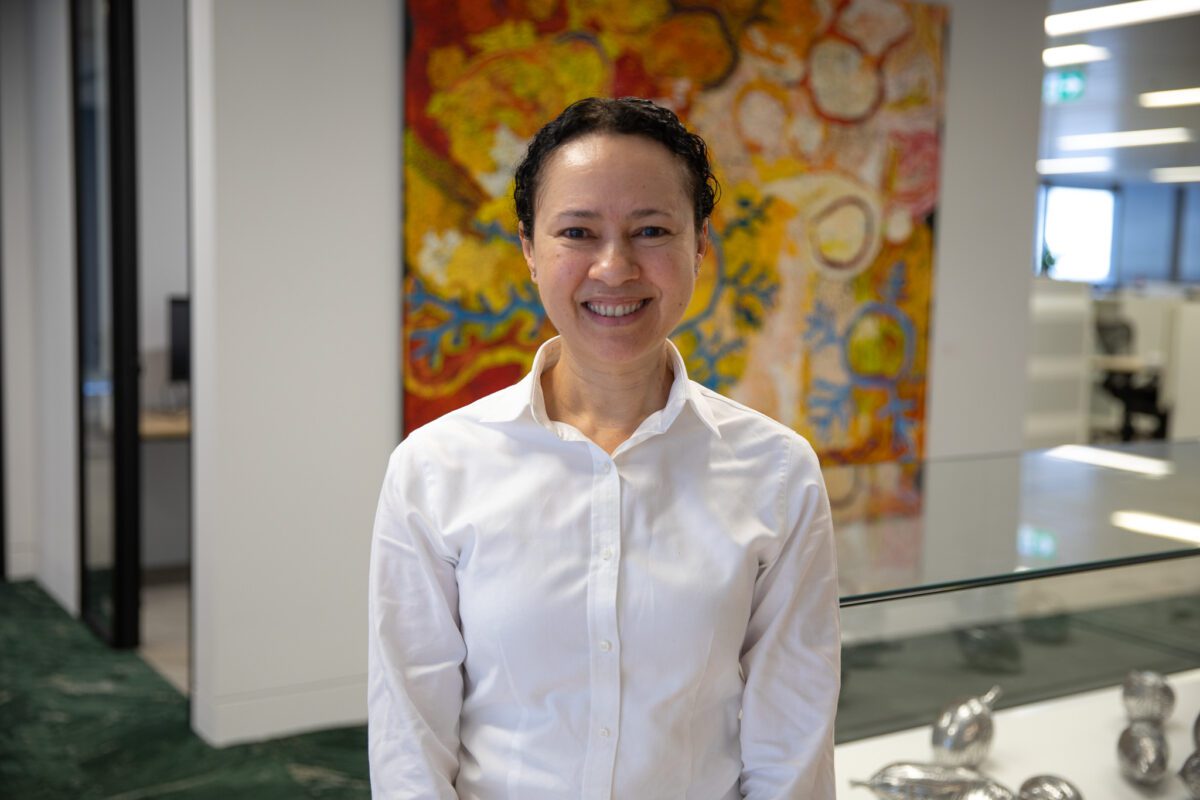
Gillian Hector