Units generated:
ACCU
Purchased by:
Private market
Project proponents:
New Forests Asset Management
Land management activities:
SFM is the appointed land manager for the project with responsibility for carrying out all land management activities.
Verification doc
Clean Energy Regulator Register
Hurburgh is a registered carbon project situated in Tasmania’s Central Highlands, fronting both the Derwent and Dee Rivers. Acquired in 2025, the 246-hectare property is managed by SFM under New Forests’ **ActivAcre program — an initiative that transforms underutilised agricultural land into high-integrity carbon and timber-producing assets.
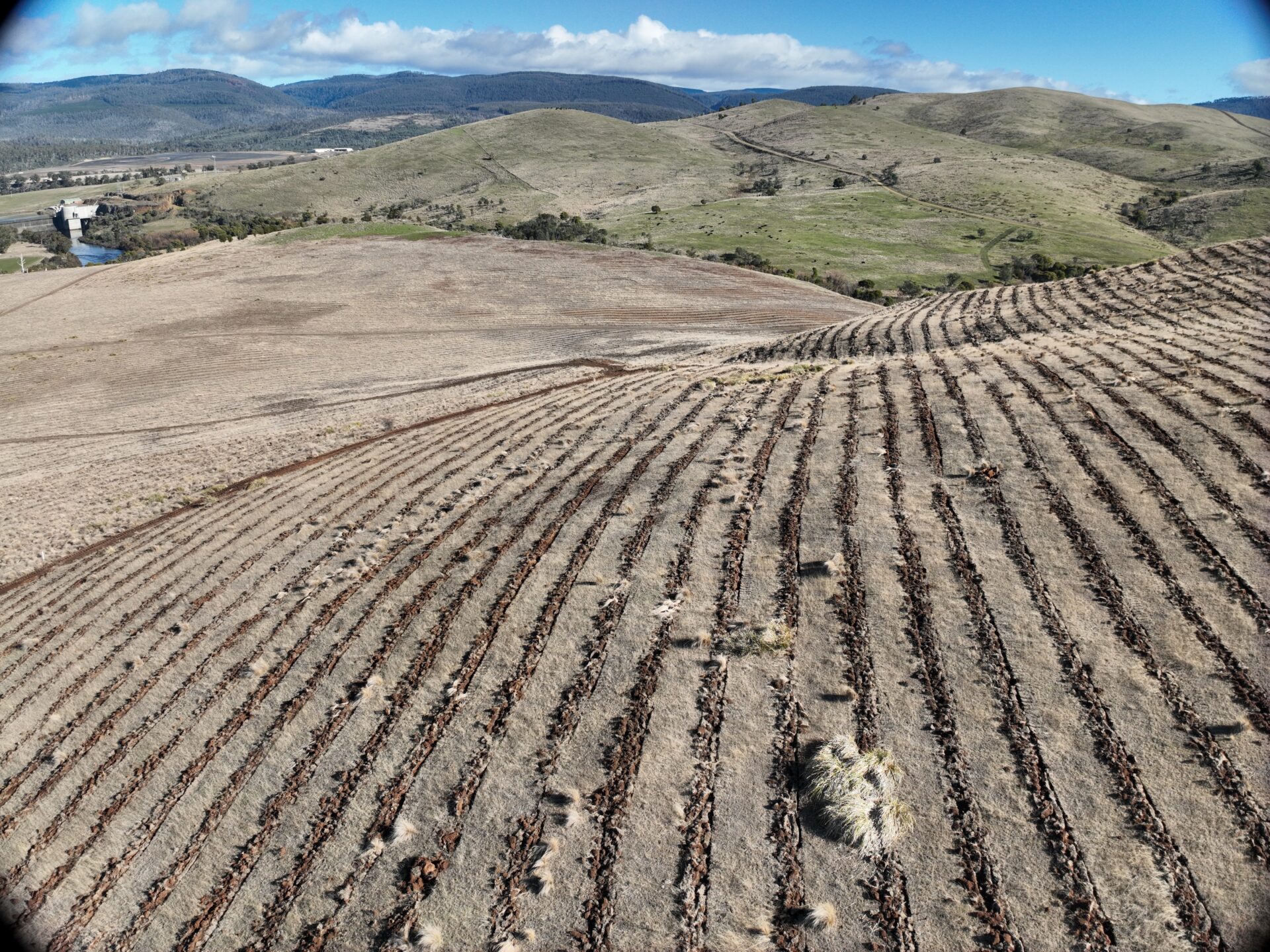
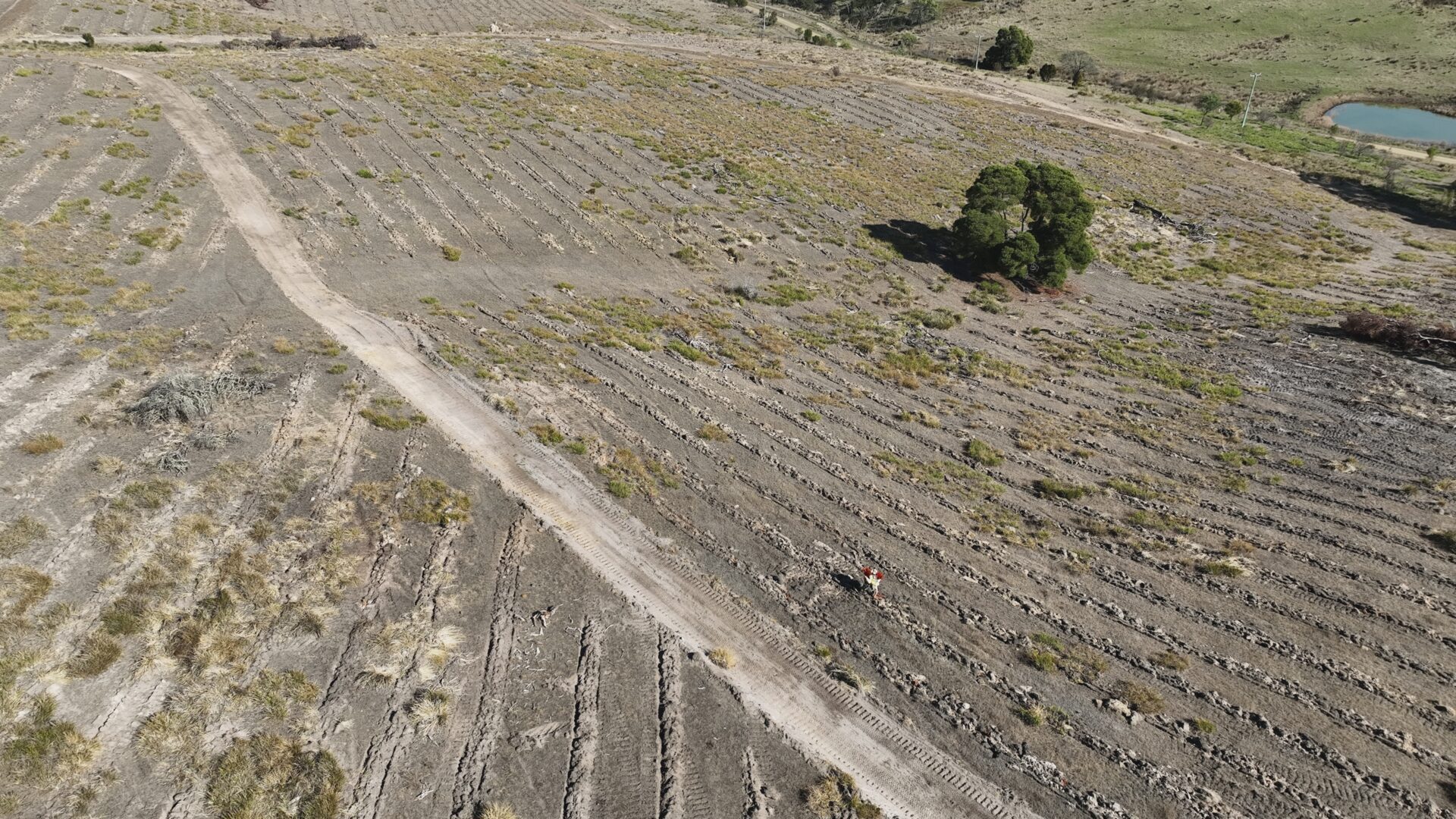
Historically used for grazing, Hurburgh’s classification as Site Quality 4 indicates lower rainfall and less fertile soils, making it less suitable for cropping or high-output pasture. This same classification makes it well-aligned for plantation forestry, where long-rotation crops can provide environmental and economic returns. The site was planted in August 2025 with 195 hectares of Pinus radiata using locally grown seedlings from Hills Transplants Nursery.
The property is registered under *Schedule 1 of the Plantation Forestry Methodology — the highest-yielding carbon schedule, providing strong ACCU potential over the project lifecycle.
Forest management and carbon strategy
Radiata pine plantations on lower site quality land require thoughtful silvicultural planning to maximise both carbon and timber value. At Hurburgh, trees were intentionally planted to encourage vertical growth and reduce lower limb size, which is critical for producing high-quality sawlogs. A planned thinning is scheduled around year 20 to selectively remove poorly formed trees, enabling future growth to be focused on better formed and/or larger trees, leading to increased diameters. This not only boosts long-term carbon sequestration but also enhances the commercial value of the final harvest at year 30.
Site-specific conditions, including rainfall, species selection, variable soil types and thinning age, were all carefully considered in the project’s design to maximise tree growth and stocking for both silvicultural and carbon performance throughout the plantation rotation.
Site sensitivities and operational adaptations
The Hurburgh site includes floodplains, steep slopes, and highly erodible soils — presenting operational challenges, particularly in areas adjacent to watercourses and near the local drinking water intake managed by TasWater. In addition to its carbon role, Hurburgh carries broader landscape and community value. The property contains patches of remnant native forest, a historic quarry, a Trig Station, and essential water infrastructure that supplies the nearby town of Ouse.
SFM engages proactively with local stakeholders—including TasWater, the Forest Practices Authority and neighbouring landowners—to manage shared infrastructure, adapt forest practices and safeguard sensitive features on site. As a result:
- Chemical use on floodplains and land slumps was restricted, with application methods tailored to water quality sensitivities.
- Cultivation techniques such as low-profile mounding and spot cultivation were used on sensitive areas and on steep slopes to reduce erosion risk.
- No-cultivation zones were designated on highly erodible sections, with increased drainage on access tracks to prevent water damage and soil loss.
Comparison of Plantation Methodology Schedules
Forestry carbon projects generate Australian Carbon Credit Units (ACCUs). The type of project and site characteristics significantly influence ACCU outcomes:
- *Schedule 1 carbon projects deliver the highest volume of ACCUs for a given site. Schedule 3 projects are comparable or slightly lower, while Schedule 2 projects typically deliver the fewest ACCUs. The applicable schedule is determined by the Emissions Reduction Fund (ERF) ACCU Scheme eligibility criteria and cannot be selected at will by the landholder or project proponent.
- Once eligibility under the relevant methodology is established, site quality—particularly rainfall and soil fertility—further affects ACCU yield. Sites with higher rainfall and more fertile soils typically generate more ACCUs than those with lower rainfall and less fertile conditions.
- As a general guide, Schedule 1 and 3 sites in Tasmania with favourable growing conditions (i.e., high rainfall and fertile soils) can yield approximately 300–400 ACCUs per hectare over the life of the project. In contrast, sites with lower rainfall and soil fertility may generate around 180–250 ACCUs per hectare for the same project type.
About the ActivAcre program
**ActivAcre is a carbon forestry program in Tasmania that enables farmers and landowners to lease their land for tree planting. Developed by New Forests and managed by SFM, the program provides landholders with a reliable source of income while supporting environmental outcomes such as climate change mitigation and biodiversity enhancement.
SFM works closely with landowners to maximise the potential of underutilised land, offering a sustainable and economically viable approach to land management.