Evolving the ACCU Scheme through robust evidence, transparency and regular reviews
Confidence in the Scheme is supported by independent evidence.
Australia’s ACCU Scheme is a mature, regulated crediting framework. It has legislated integrity standards, independent expert assessment of methods, strong regulatory oversight, 3rd party auditing, public reporting and an industry code of conduct with over 30 signatories.
The 2022 Chubb Review concluded that the Scheme is fundamentally sound. The 2023 and 2026 reviews undertaken by the Climate Change Authority found the ACCU scheme to be well designed and inherently sound, while identifying opportunities to strengthen it.
The Integrity and Transparency Bill represents an important step in the continued improvement of the ACCU scheme and progresses implementation of many recommendations in these reviews, including stronger compliance and publication powers for the Clean Energy Regulator and a strengthened role for the independent Carbon Abatement Integrity Committee.
Any use of the proposed Method Transition Declaration should be tightly constrained, evidence-based and grounded in expert advice, with every method required to meet the Offsets Integrity Standards in full.
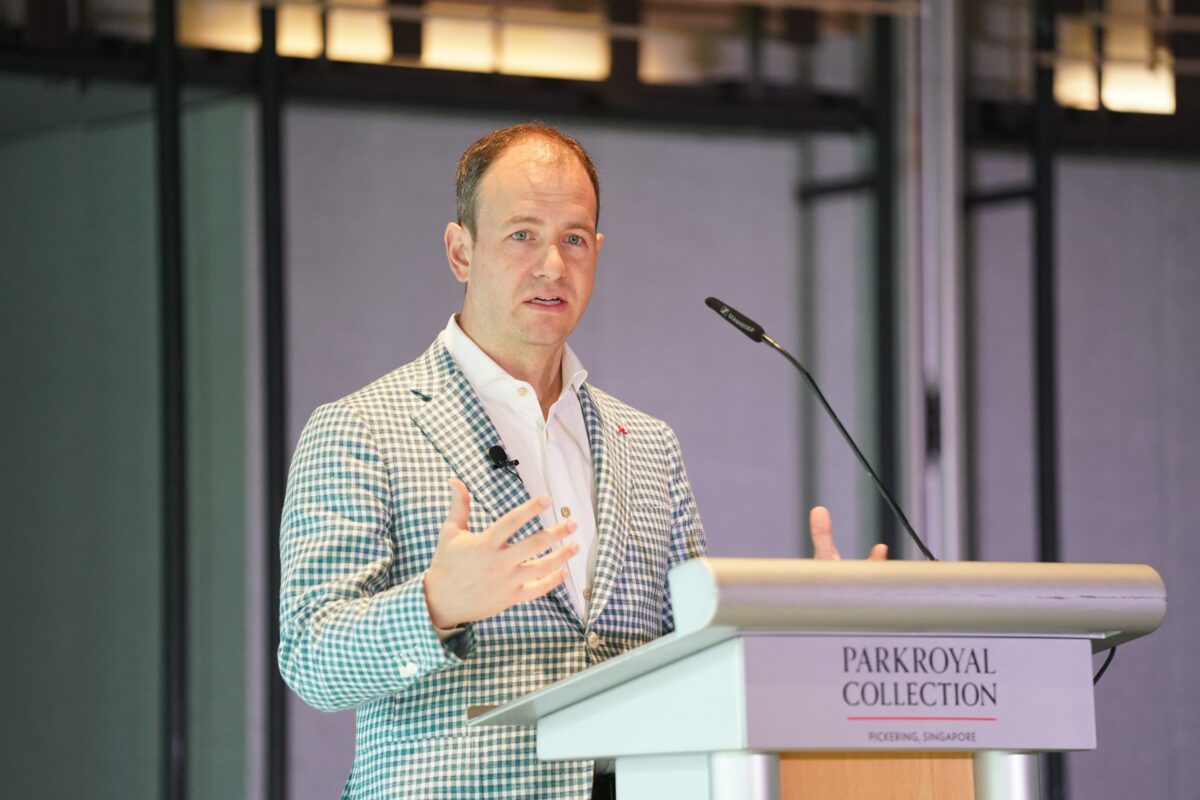
As Dr Sasha Courville, CEO of the Carbon Market Institute, explains:
“We should all welcome scrutiny of the ACCU Scheme and its methods. That scrutiny is an important part of maintaining and improving integrity. But there comes a point when the same claims have been examined repeatedly through independent and regulatory reviews and continue to be presented as though they have never been tested. The evidence should matter. Where issues have been examined and addressed, the debate needs to move forward.”
Increasing Transparency
CMI supports greater transparency across the ACCU Scheme in order to strengthen understanding of the role and contribution of carbon markets in accelerating abatement as well as a whole host of other environmental, social, cultural and economic outcomes. We have identified several opportunities in various submissions, including strengthening voluntary disclosure of additional data and enabling publicly available audit report summaries that increase transparency while balancing commercially sensitive information. Delivering on transparency improvements requires legislative changes and we look forward to collaborating with Government, the Clean Energy Regulator and interested stakeholders in driving this forward.
Greater access to the evidence underpinning ACCU issuance supports independent scrutiny and strengthens confidence in the scheme.
HIR methodology and independent scrutiny
The Human-Induced Regeneration (HIR) method delivers a robust framework for large-scale carbon sequestration throughout Australia. As with all ACCU Scheme methods, projects developed under it are subject to rigorous integrity checks, conservative controls, periodic reviews and independent review. HIR has been subject to extensive independent scrutiny, with the 2022 Independent Review of the ACCU Scheme finding it to be fundamentally sound while identifying opportunities for improvement and the Australian National Audit Office deeming that the Clean Energy Regulator’s administration, effectively controls the risks associated with regenerating native vegetation and only genuine carbon abatement is credited.
As outlined in CMI’s HIR Factsheet, projects are subject to prescribed monitoring, reporting and independent auditing requirements. Ongoing scientific assessment and continuous improvement are essential to maintaining scheme integrity.
Measurement and verification of abatement for ACCUs
Carbon abatement by ACCUs is assessed against legislated integrity standards using approved methodologies. Depending on the method, these incorporate scientific modelling, on-ground measurement by trained professionals and remote sensing. Satellite imagery is a valuable tool but cannot, in isolation, determine project-level abatement; it is one of several lines of evidence. Project reporting is subject to independent auditing and regulatory oversight. CMI encourages evidence-based scrutiny drawing on independent scientific expertise, and any serious allegations should be examined by the appropriate bodies.
Dr Courville emphasised the importance of assessing the complete body of evidence:
“Valid scrutiny, underpinned by robust science, should be welcomed. Satellite imagery is an important tool, but selected images of a small fraction of a project are not a substitute for assessing the full data set. Robust conclusions require the remote-sensing evidence, field data and independent assurance to be considered together.”
ACCUs and the Safeguard Mechanism
Since reforms took effect in July 2023, the Safeguard Mechanism has set legislated net emissions limits that tighten over time for Australia’s largest industrial facilities. Facilities can comply by reducing emissions onsite or by surrendering Safeguard Mechanism Credits or ACCUs. Onsite decarbonisation should be the priority with carbon credits complementing, not replacing, those reductions.
Major industrial projects can take years to deliver, while Safeguard baselines continue to decline. ACCUs allow facilities to fund verified abatement in other sectors in the near term, where onsite options are limited by technology maturity, commercial readiness or infrastructure availability. This flexibility is a deliberate feature of the scheme’s design, and ACCU supply is not unlimited. Both efforts to drive onsite abatement at scale and the flexibility provided by ACCU use are needed to meet Australia’s climate targets.
As Dr Courville noted:
“Australia should be prioritising onsite industrial decarbonisation, but major projects take years to deliver while Safeguard baselines keep declining. ACCUs help bridge that gap by enabling emissions reductions elsewhere in the economy”.
Every ACCU is issued under the legislated integrity framework that applies across the ACCU Scheme. The integrity of ACCUs matters for Australia’s emissions reduction efforts, including through their direct role in Safeguard compliance. CMI continues to support greater public access to the evidence underpinning ACCU issuance.
Safeguard Mechanism in Operation
The reformed Safeguard Mechanism has now completed two compliance years. That is a short period against industrial investment cycles that often span many years, and many decarbonisation projects now in planning or construction will only show up in emissions data later this decade. Early indications are that the Safeguard Mechanism is working as designed, tightening emissions limits on Australia’s largest industrial emitters year on year. The next wave of industrial decarbonisation will be harder, and facilities need policy stability to invest. Restricting ACCU access would not, on its own, speed up onsite abatement where options are not yet available. It would raise costs, weaken investment signals and put at risk the benefits carbon projects deliver for regional communities and Traditional Owners. The task is to keep strengthening the scheme, not to abandon it.
Dr Courville reinforced the urgency of pursuing all credible emissions reduction opportunities:
“The latest science from UNEP has global temperatures reaching 1.5 degrees of warming by 2028. That demands urgent emissions reductions now, onsite wherever possible, alongside high-integrity abatement and carbon removals across the economy. Waiting is not an option. We need every credible tool working together to deliver abatement today”.