Thank you to everyone who joined us in Adelaide for the 13th Australasian Emissions Reduction (AER) Summit.
Over two days, over 400 delegates from across the carbon market value chain came together, from heavy emitters and project developers to investors, advisers, policymakers and First Nations leaders. Together we tackled the questions shaping decisions right now: where the ACCU market is heading, how to accelerate industrial decarbonisation, what Australia’s role in international markets and COP31 should be, and how to mobilise the capital the transition needs.
One message came through: the carbon market is entering a more mature phase. The architecture is largely in place, and the focus is now on delivery, confidence and trust.
Thank you to our sponsors and partners. The Summit simply wouldn’t be possible without your support. Thank you also to our speakers, moderators, Program Steering Committee and the Adelaide community for the warm welcome.
As Australia prepares to help lead COP31 negotiations alongside Pacific partners, and with the Safeguard Mechanism review and mandatory climate disclosures continuing to reshape corporate strategy, the conversations started in Adelaide will carry well into the year ahead.
We look forward to seeing you at the AER Summit in 2027. Until then, we’ll continue working with our members and partners to accelerate the transition to net zero emissions.
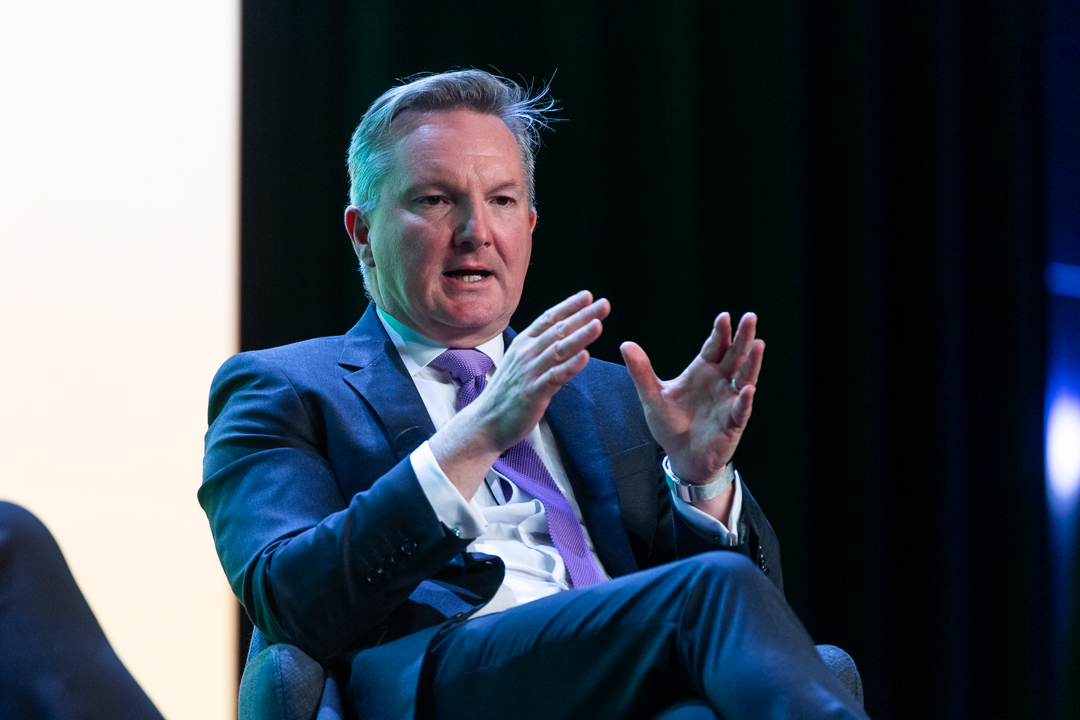
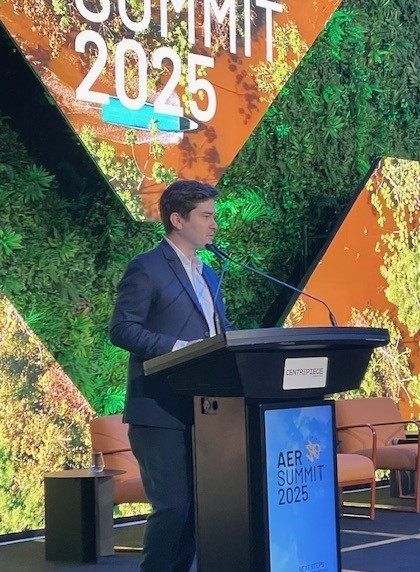
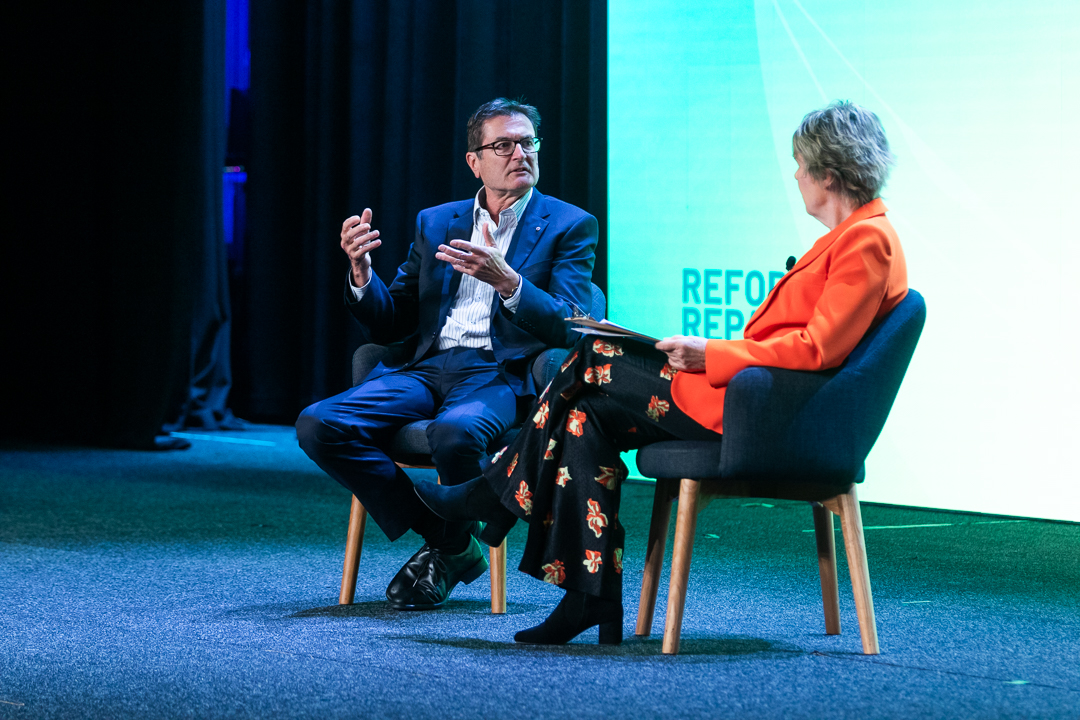
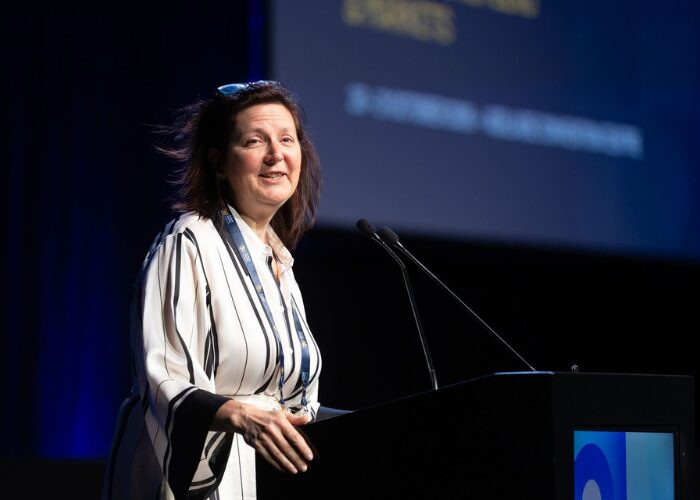
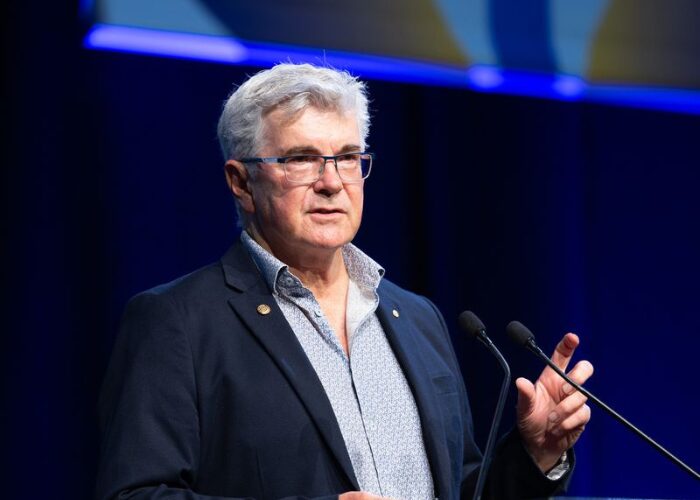
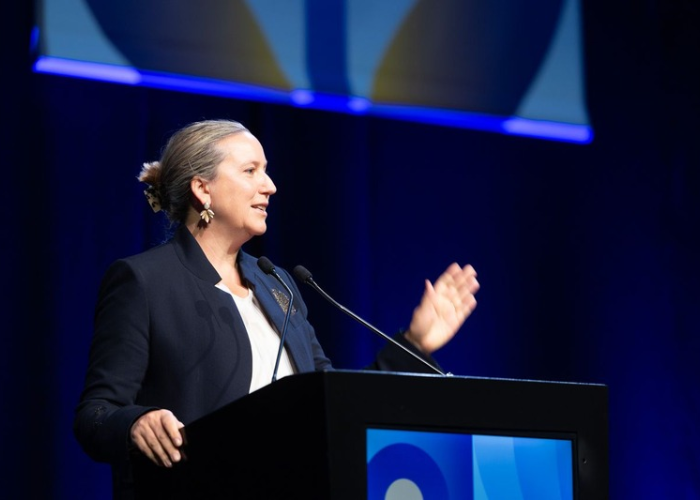
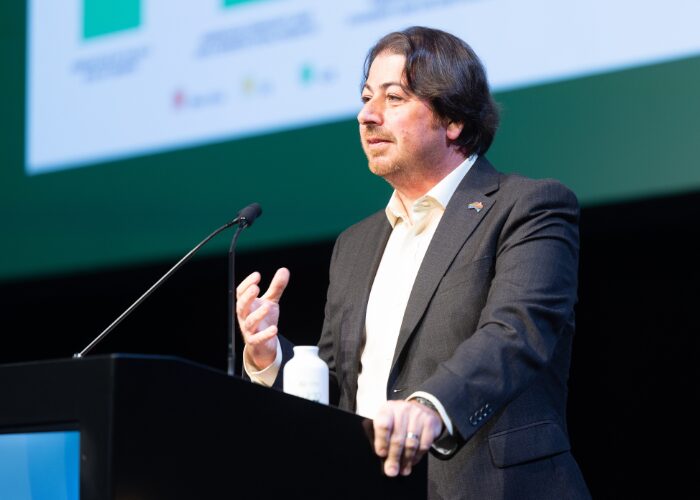
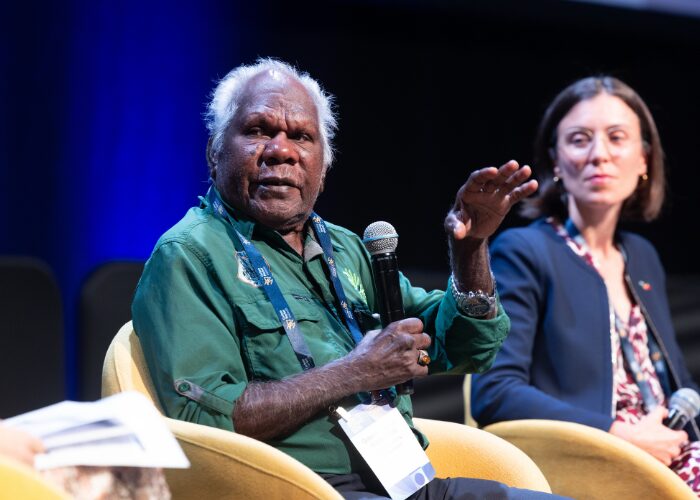
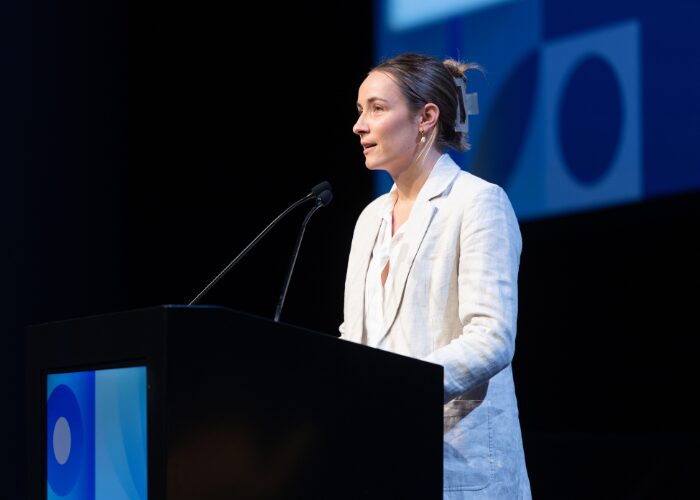
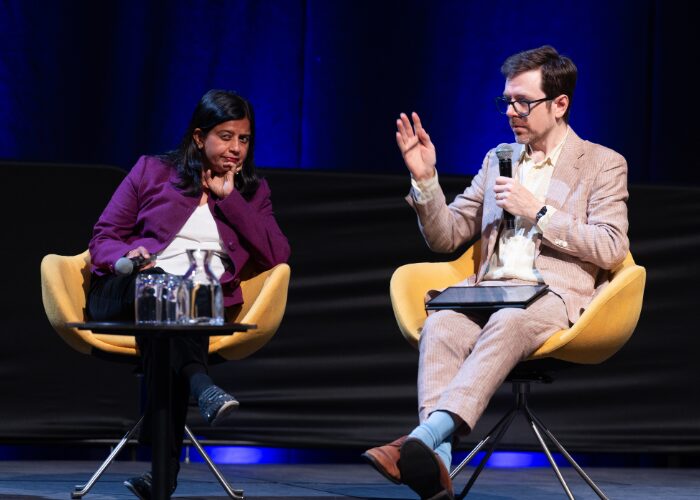
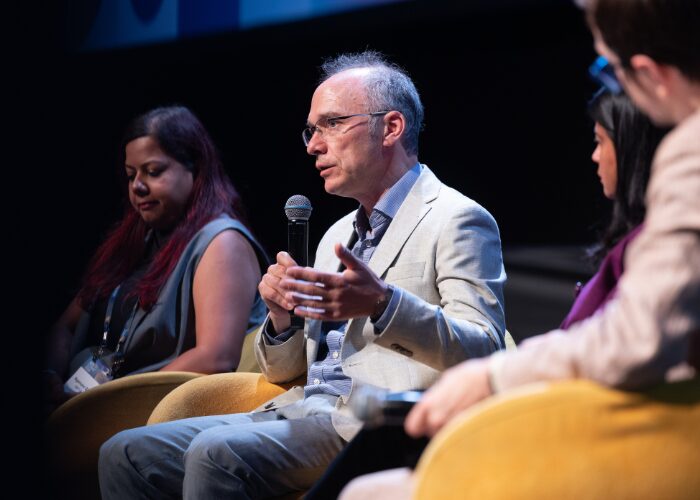
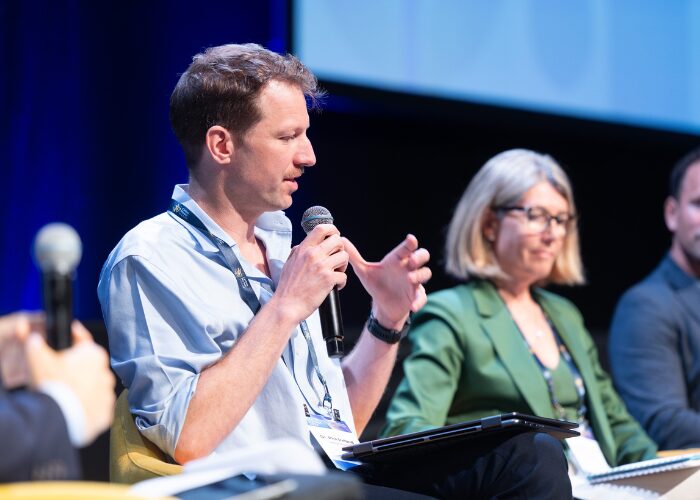
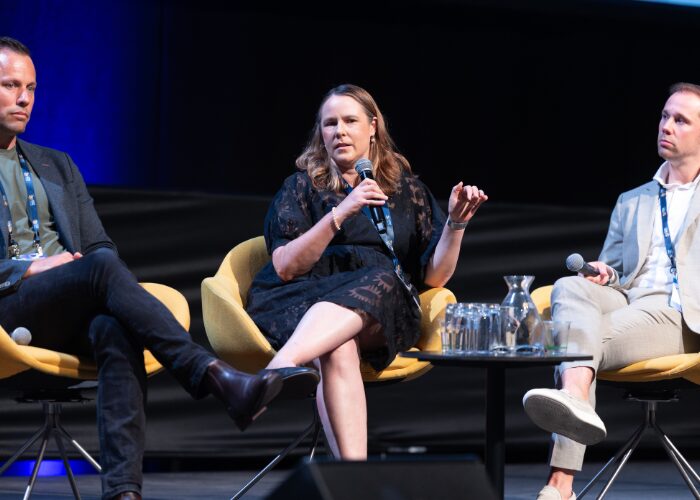
Main Stage Moments
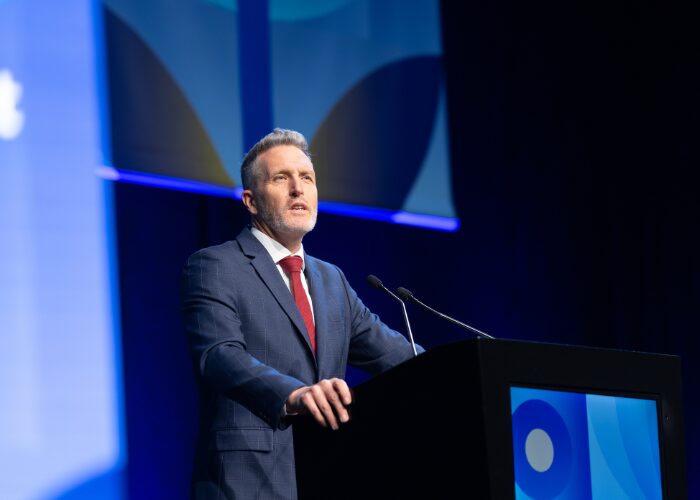
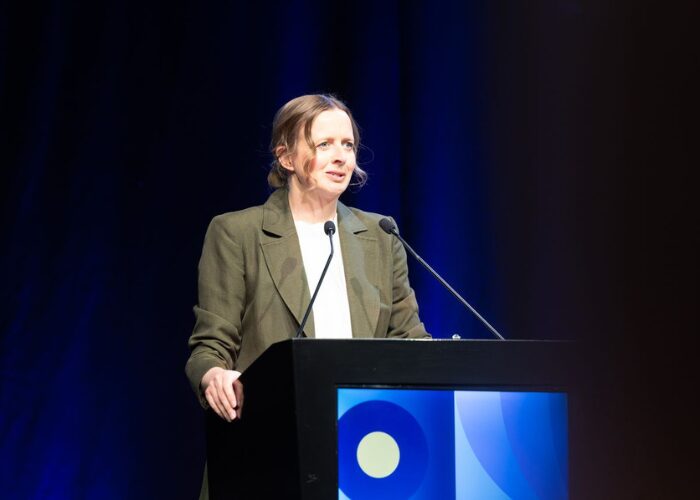
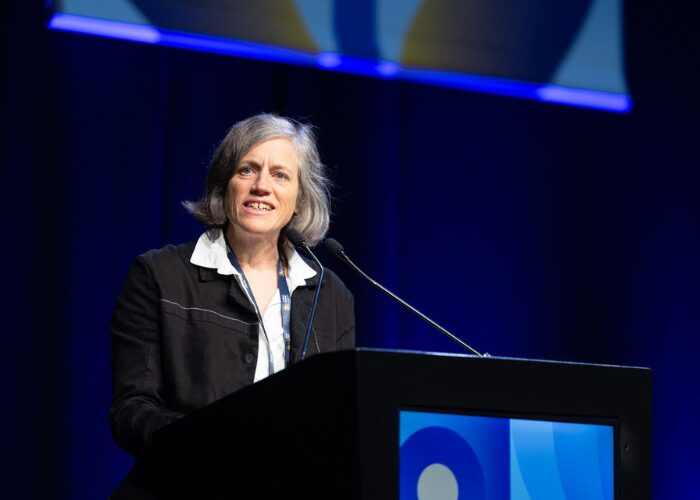
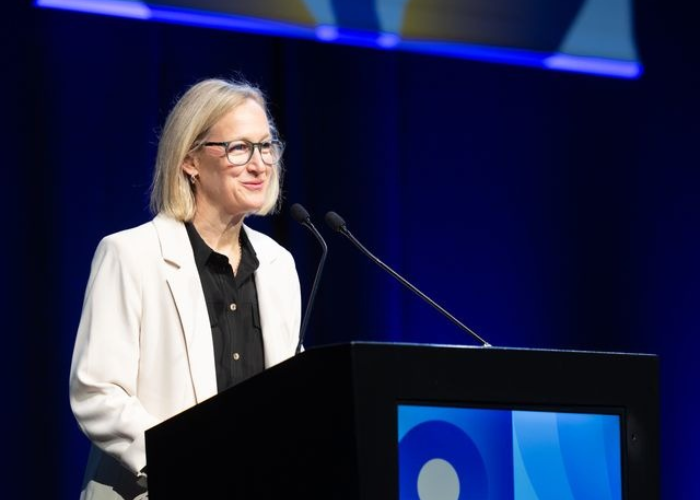
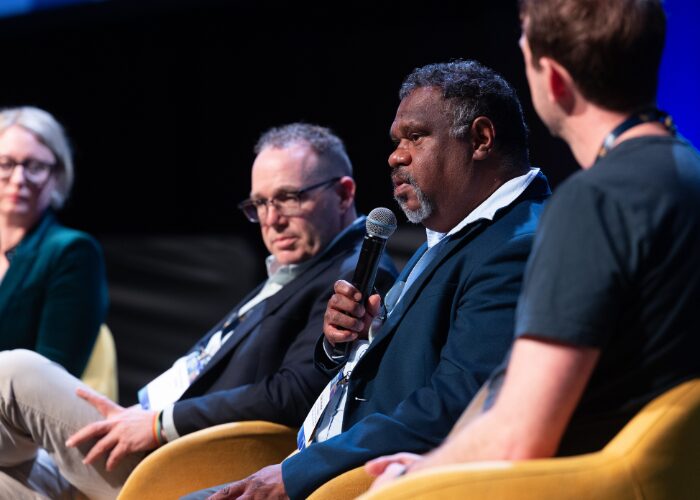
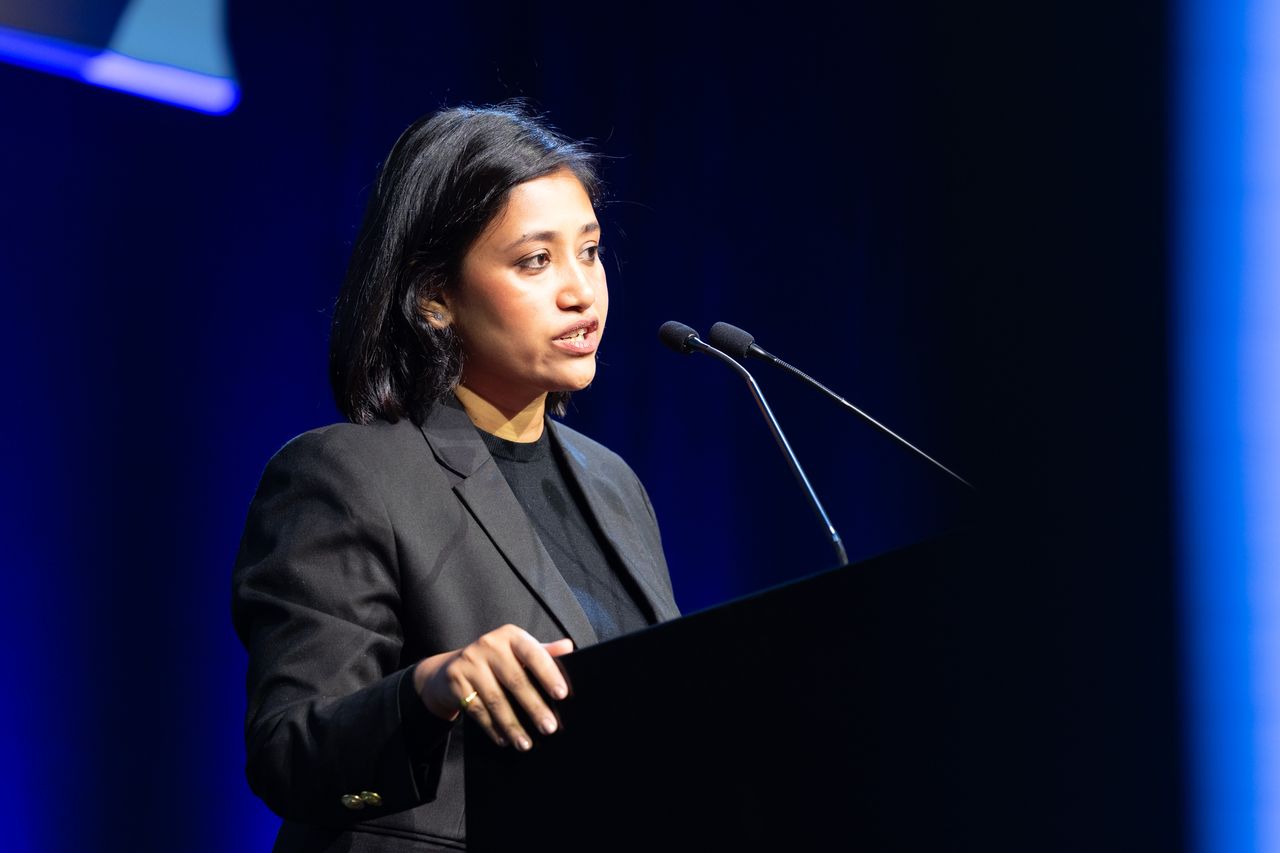
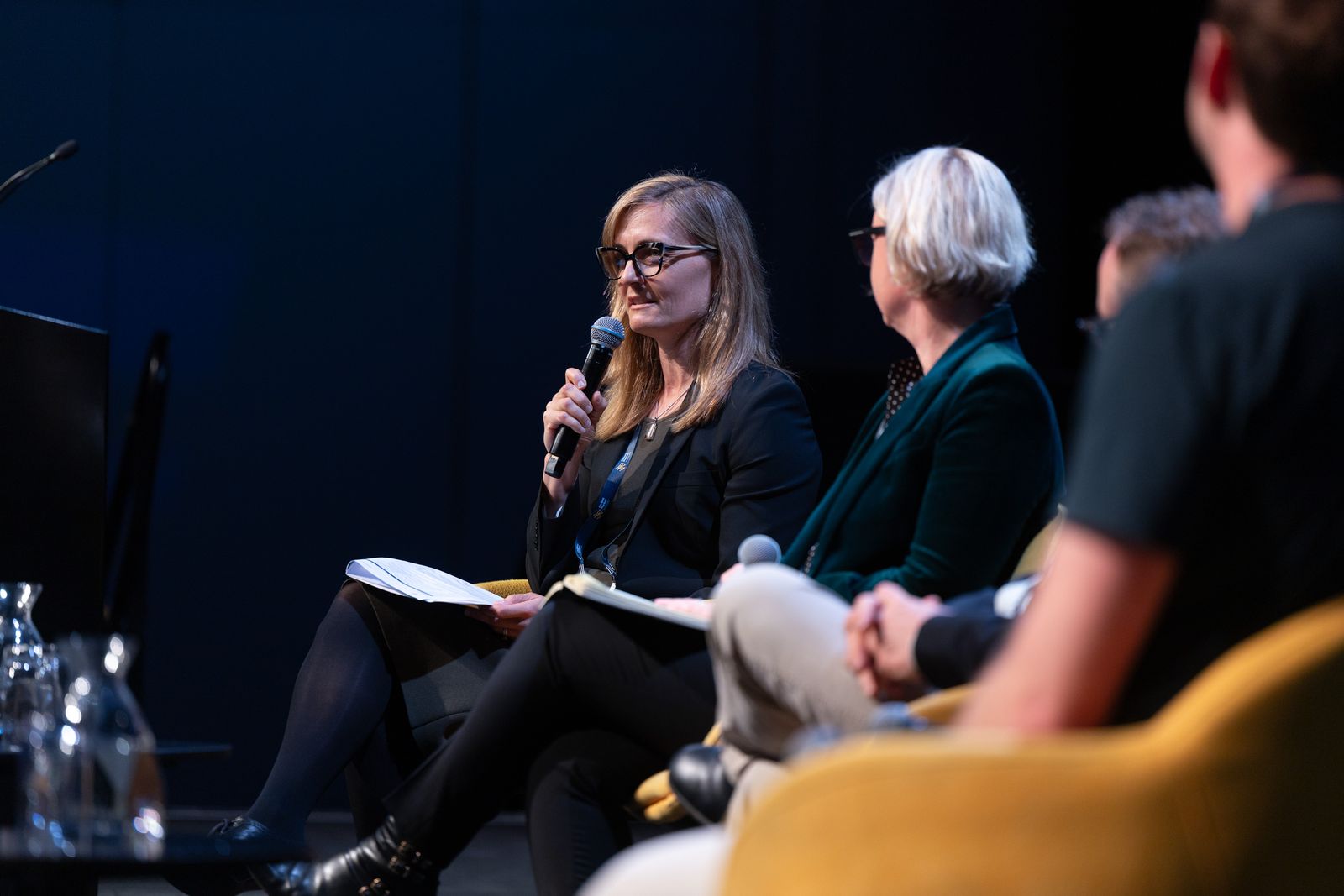
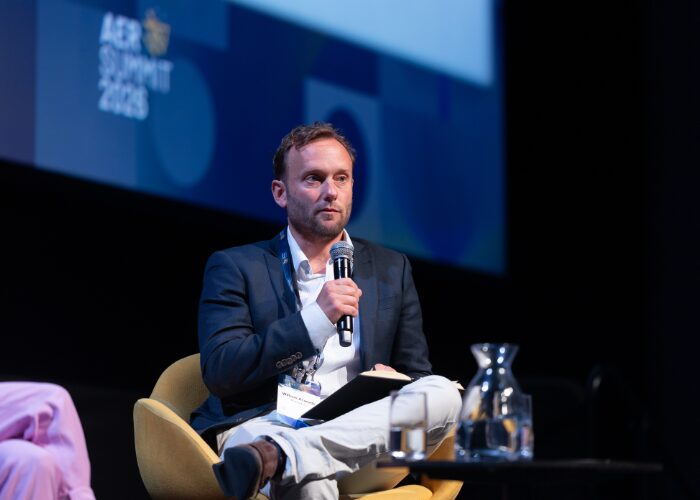

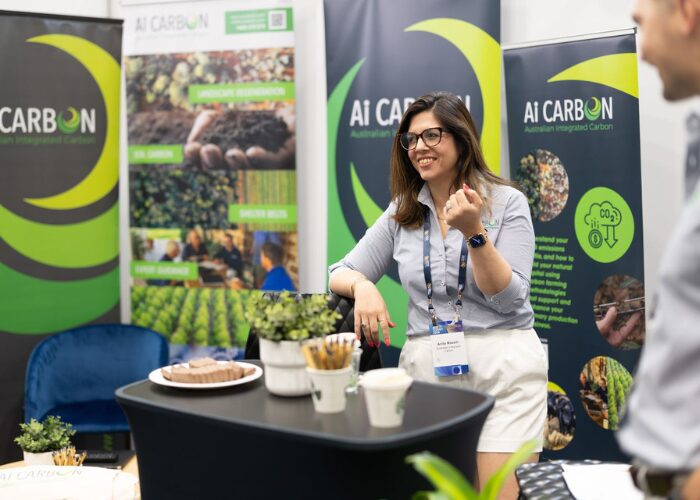
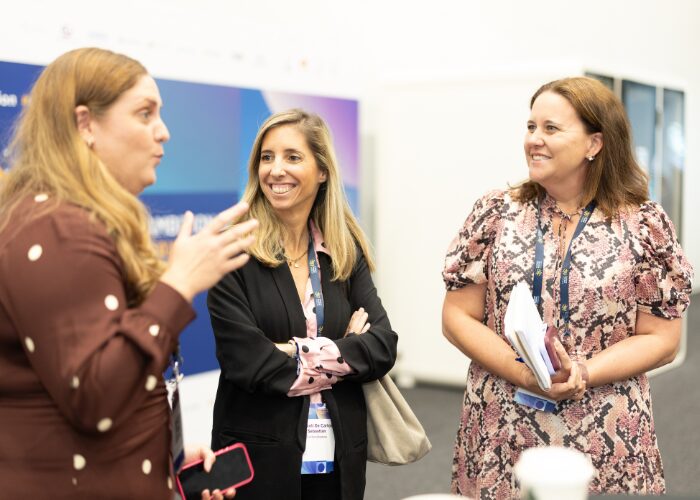
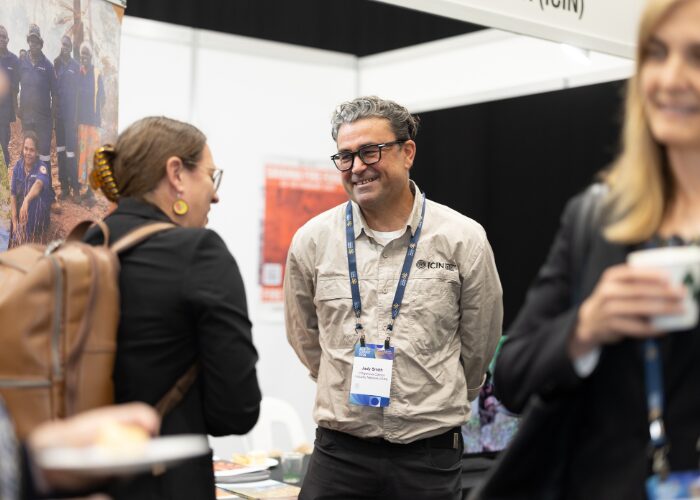
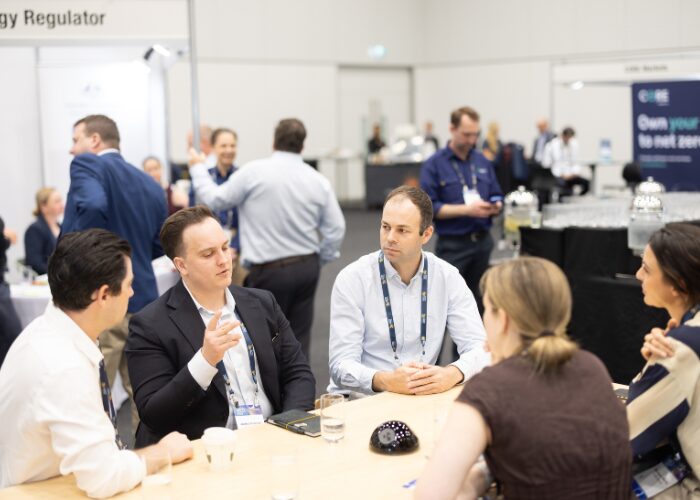
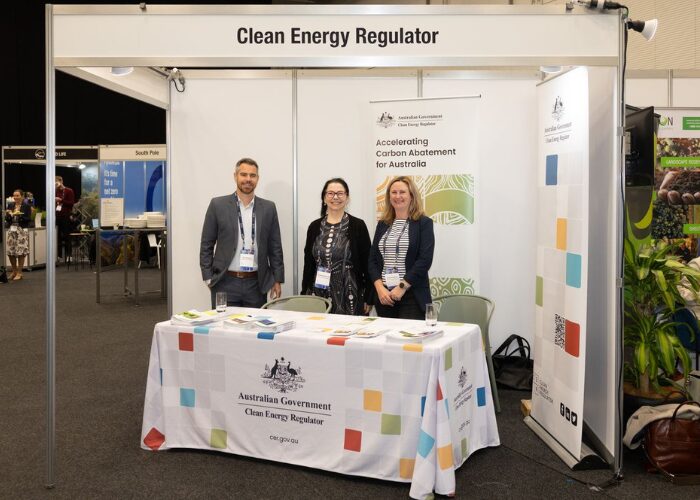
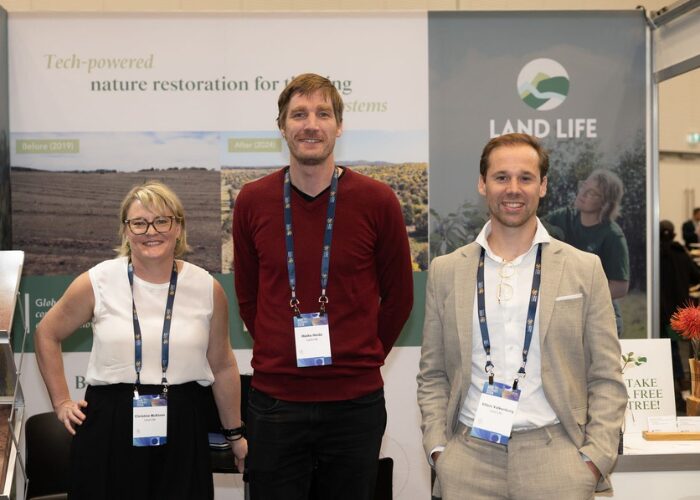
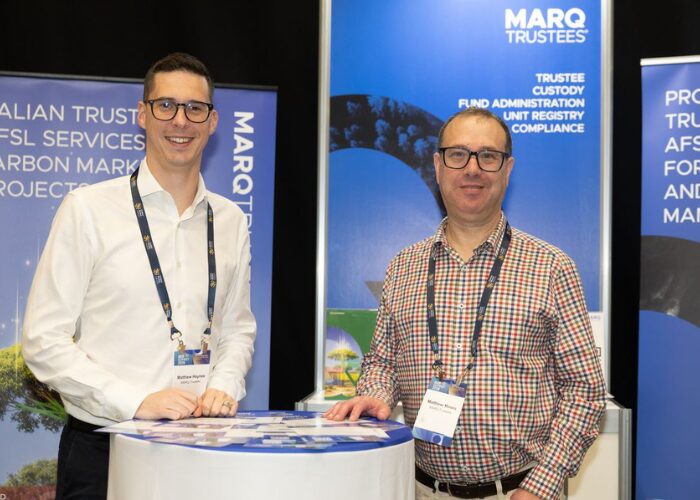
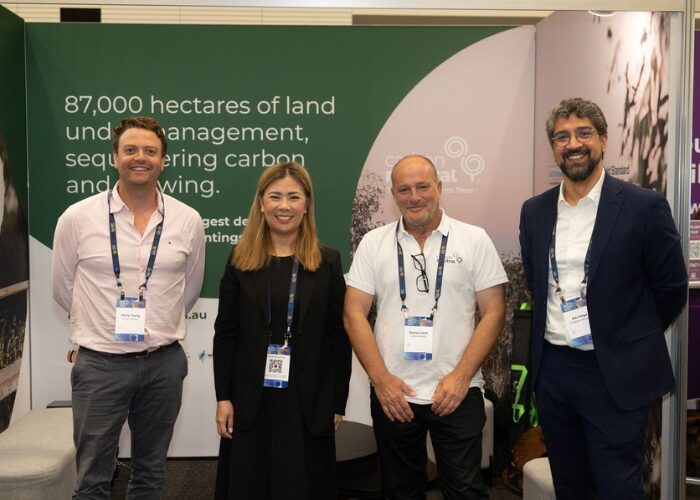
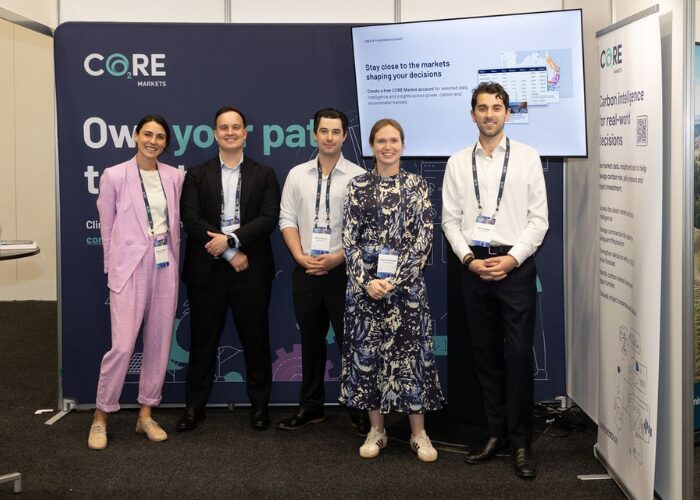
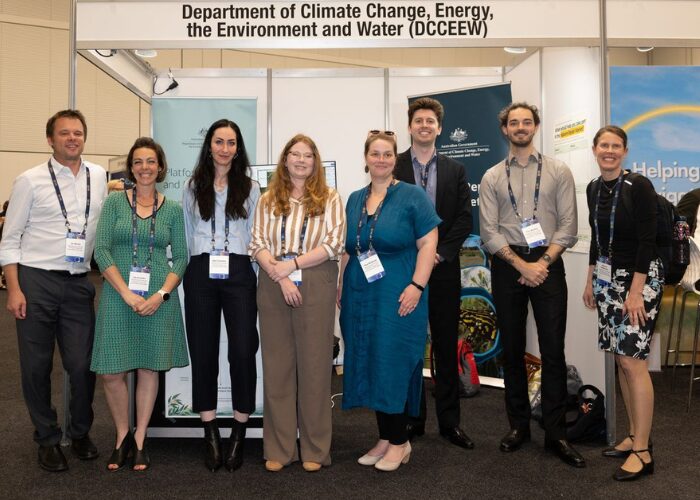
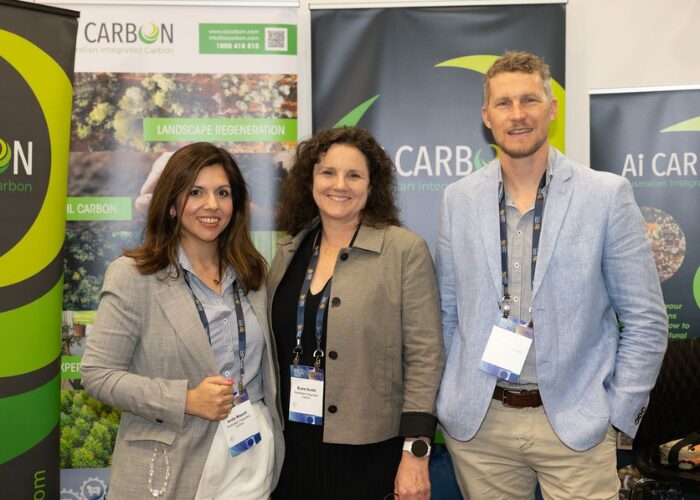
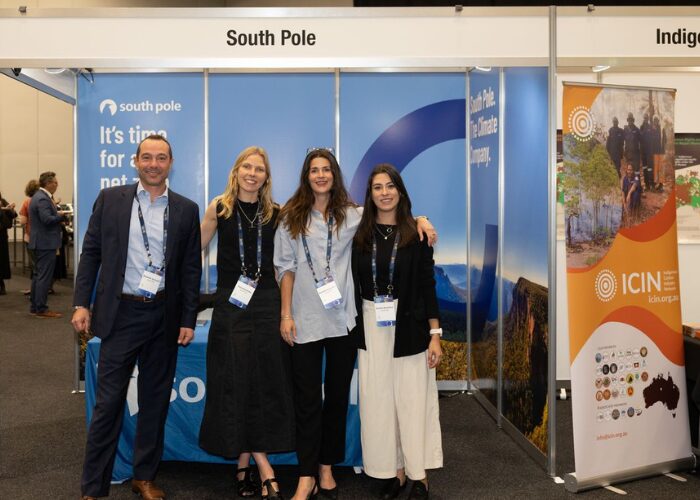
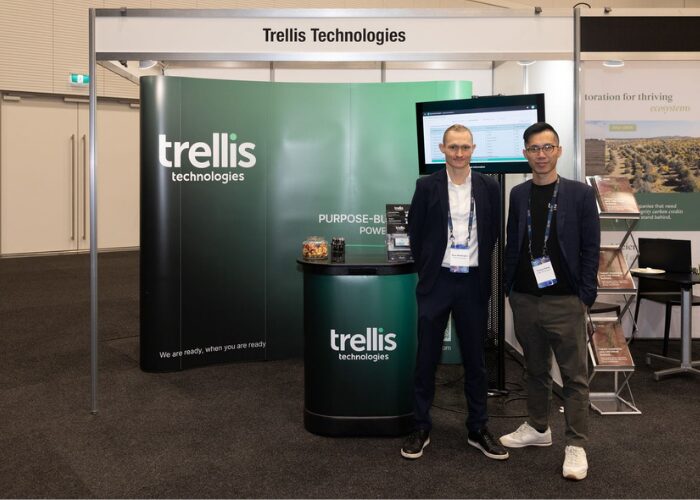
Exhibition & Networking
Key Takeaways
The big picture
The challenge has shifted from market design to delivery and confidence.
Australia has much of the architecture it needs. The next phase depends on implementation, investment and confidence in future outcomes. (Plenary 1)
Integrity and public trust underpin market growth.
Credibility depends on robust standards, transparent outcomes and confidence that projects deliver what they claim. Public legitimacy is part of the market’s core infrastructure. (Plenary 1)
Carbon markets and industry
The ACCU market is in a holding pattern.
Current issuance doesn’t guarantee future supply. Project pipelines, method availability and policy settings will determine whether the market can meet future compliance needs. (Plenary 2)
Policy certainty is critical to investment.
Businesses need confidence in future Safeguard Mechanism settings, including baselines, targets and cost containment, to make long-term decisions. (Plenary 2)
Carbon pricing alone won’t deliver industrial decarbonisation.
Projects can be economically viable but still not investable. Technology readiness, financing, infrastructure and energy costs all matter, so complementary policies are needed alongside the Safeguard Mechanism. (Workshop 1.1)
Nature and First Nations leadership
Nature restoration needs a delivery strategy, not just ambition.
Markets and targets aren’t enough on their own. Restoration at scale needs sustained demand, credible measurement, commercial incentives and long-term funding. (Plenary 3)
First Nations leadership and cultural values must be central.
Indigenous-led land management delivers environmental, cultural, social and economic outcomes that should be recognised as core benefits, not incidental ones. (Plenary 3)
Community and trust
Social licence starts with doing the work well.
Communication can’t compensate for poor practice. Early, two-way engagement that genuinely shapes project design builds trust, and local stories can be more powerful than advertising. (Plenary 4)
International
Australia has an opportunity to shape international standards.
With Article 6 shifting towards implementation and COP31 approaching, engaging early means helping write the rules rather than playing by others’. (Keynote and Plenary 5)
Political risk is now part of the investment picture.
Six in ten countries are politically riskier than five years ago, so the durability of government commitments matters as much as carbon integrity. (Keynote)
Voluntary action and communication
Clarity is needed after Climate Active’s planned closure.
Businesses that valued government backing and clear guidance are unsure where to turn, and some risk stepping back from climate action altogether. (Workshop 2.1)
Thank you to our sponsors and partners.