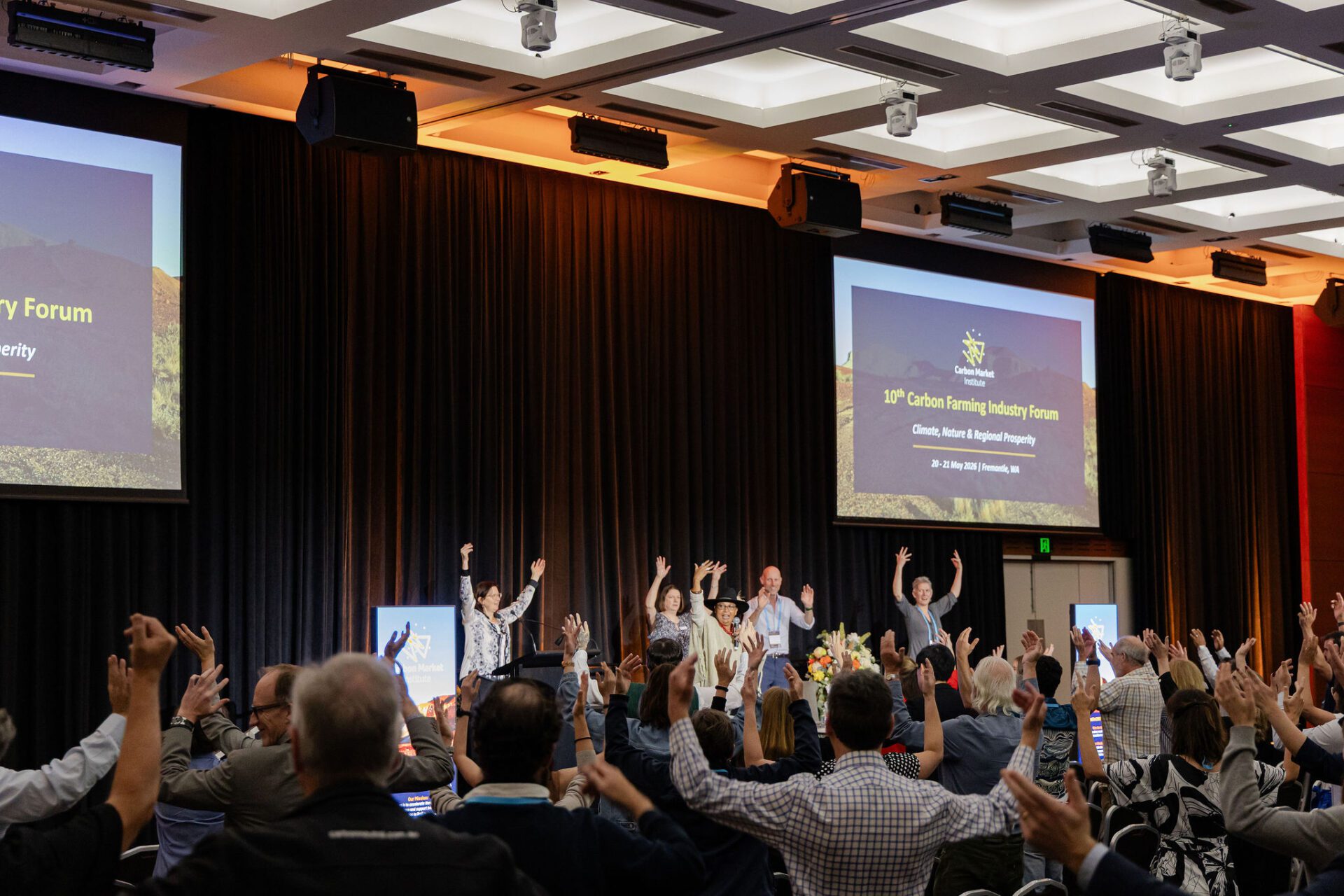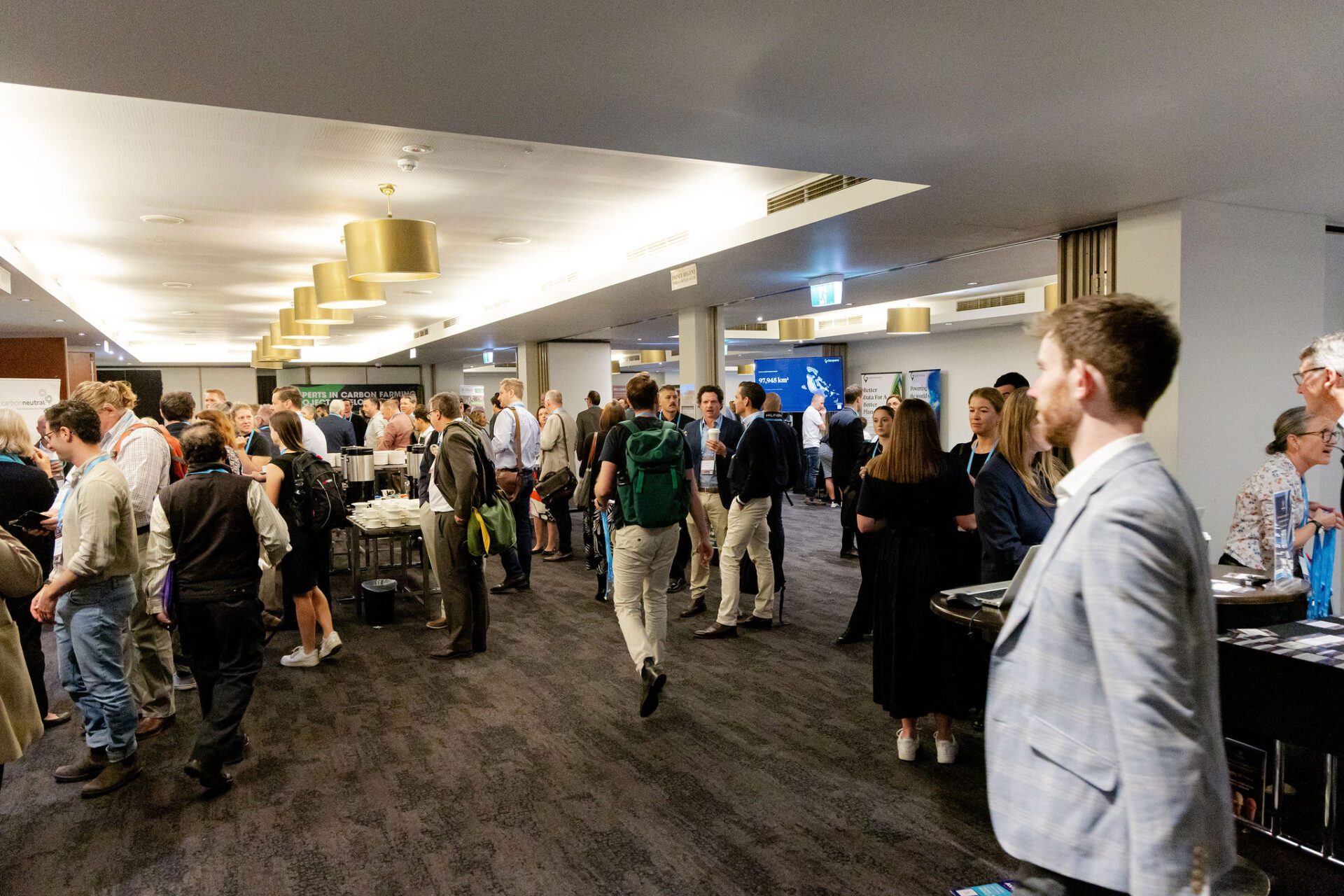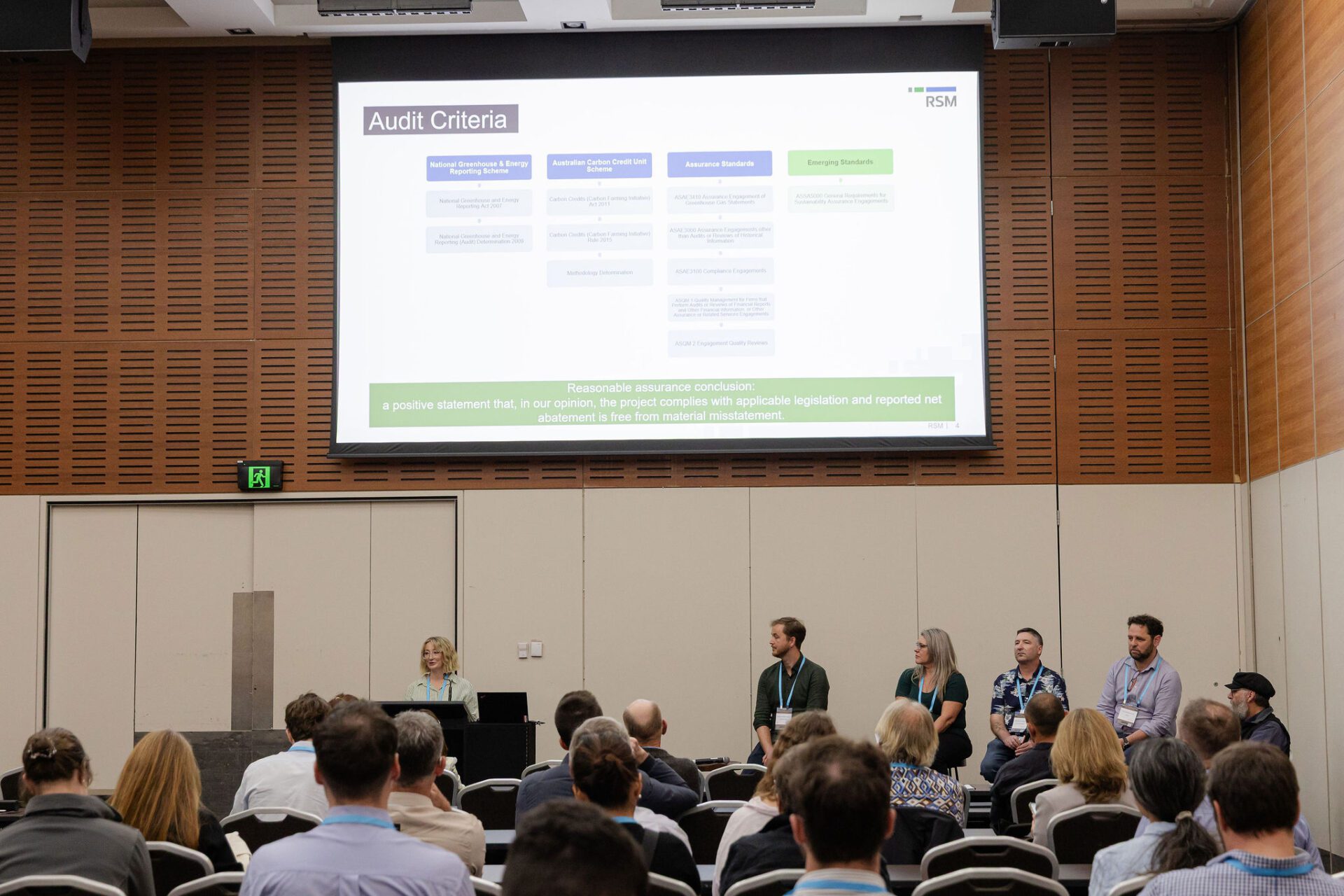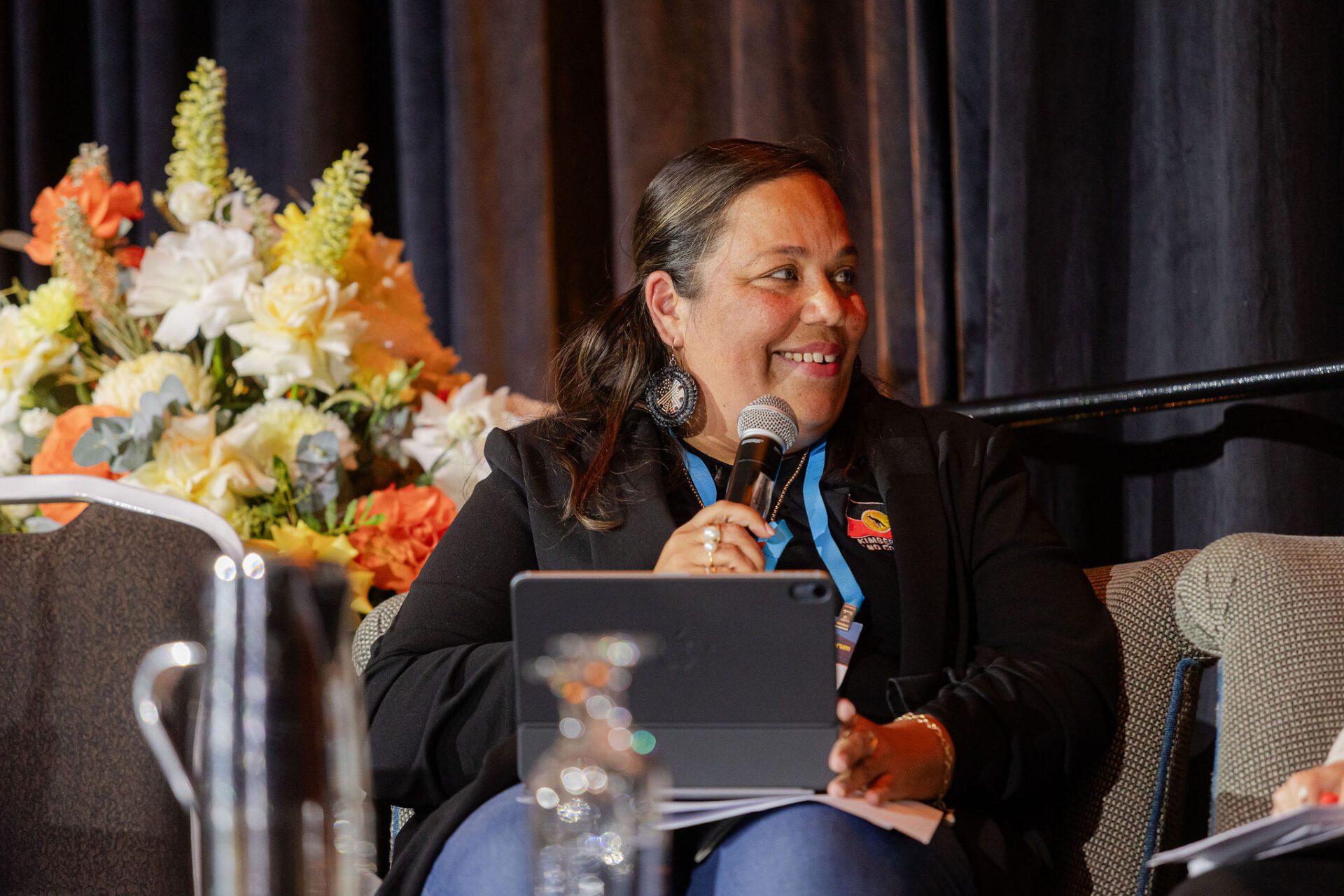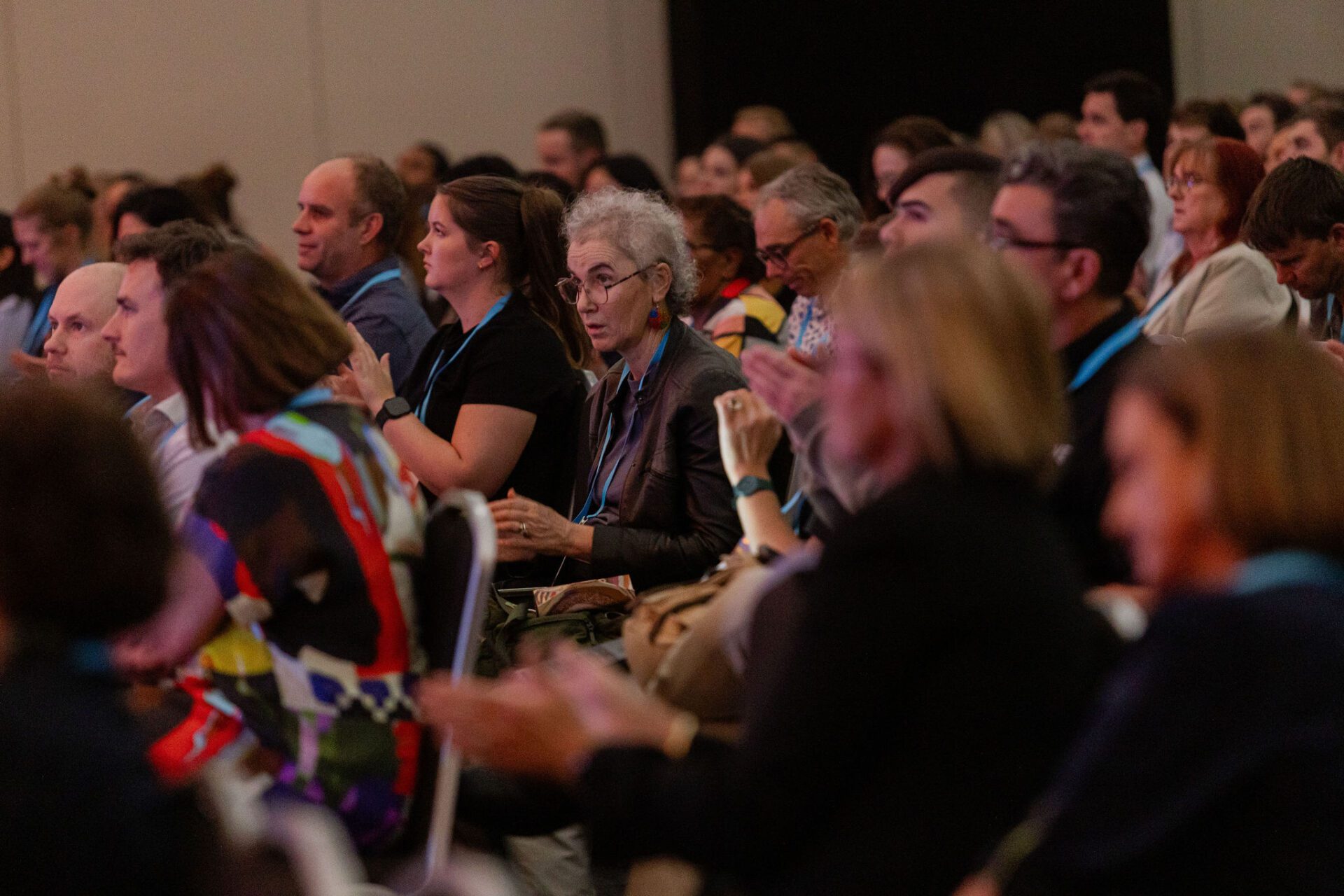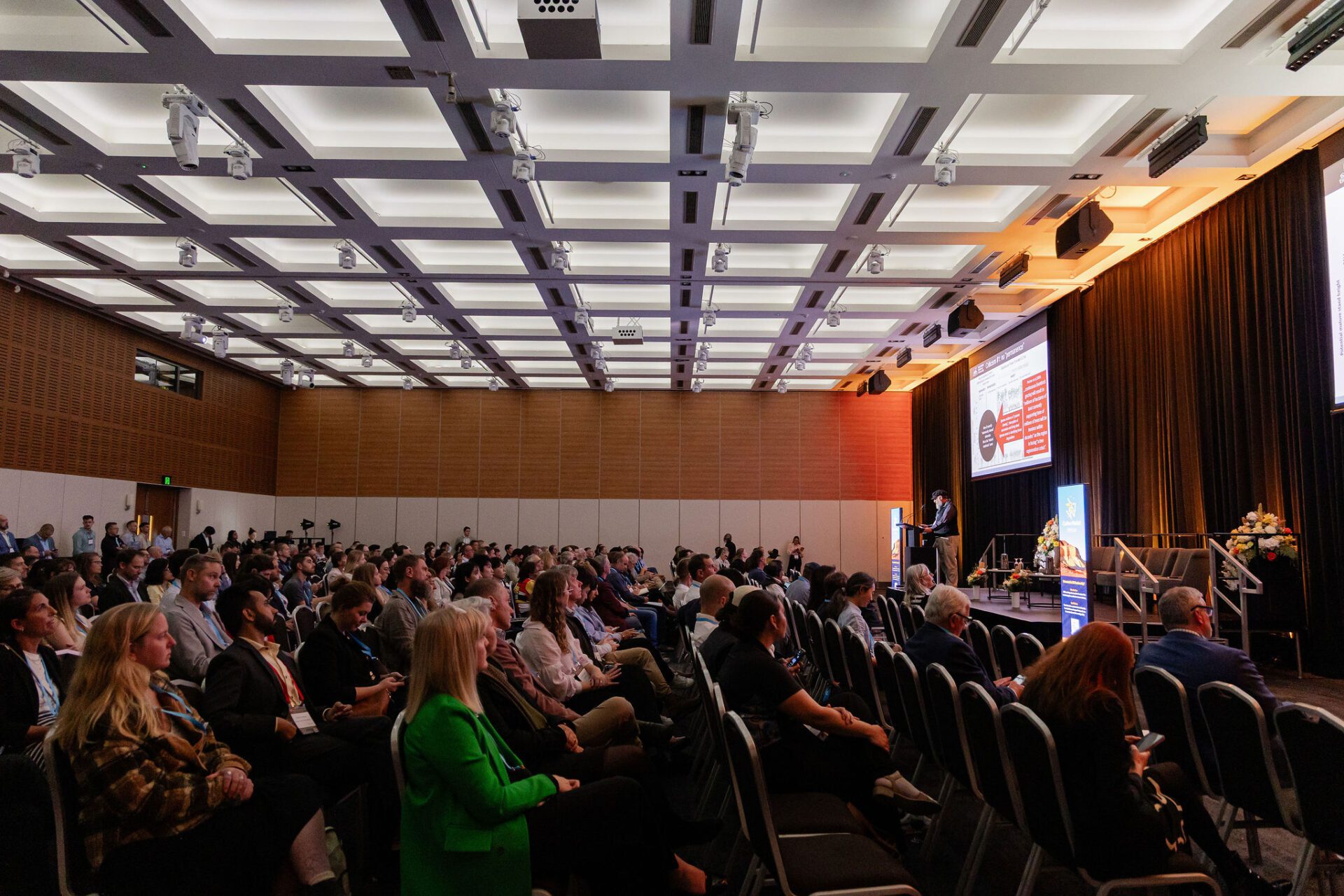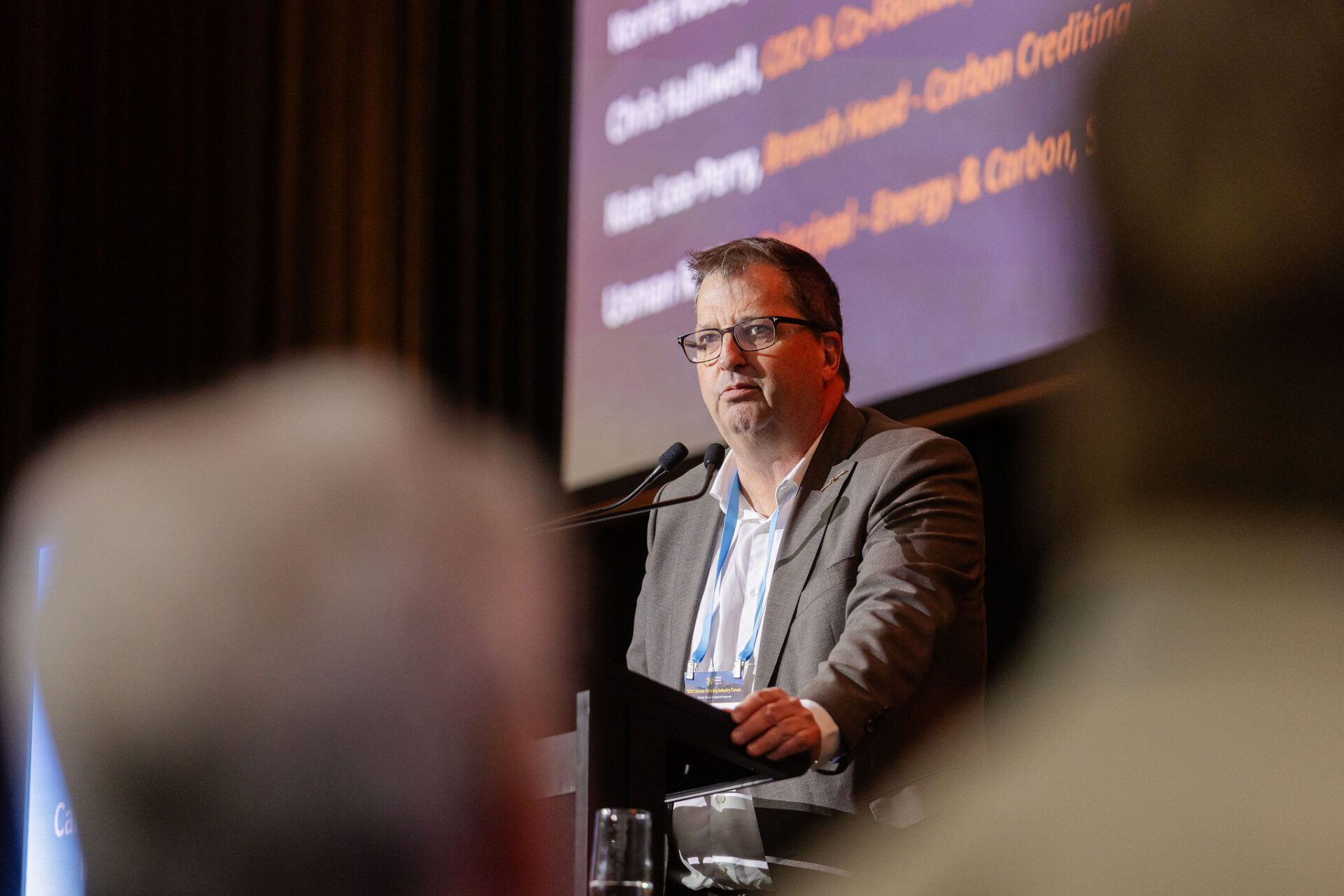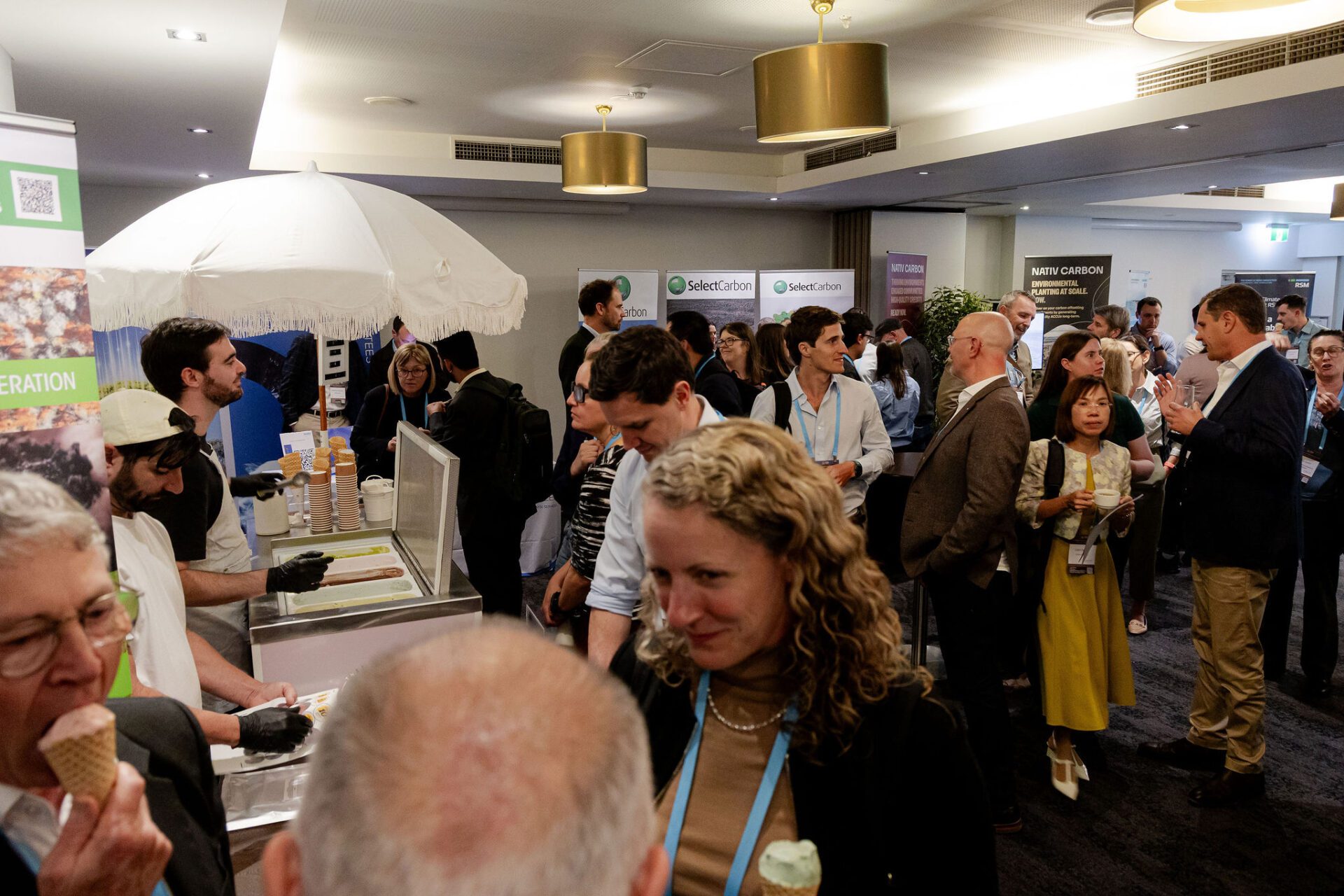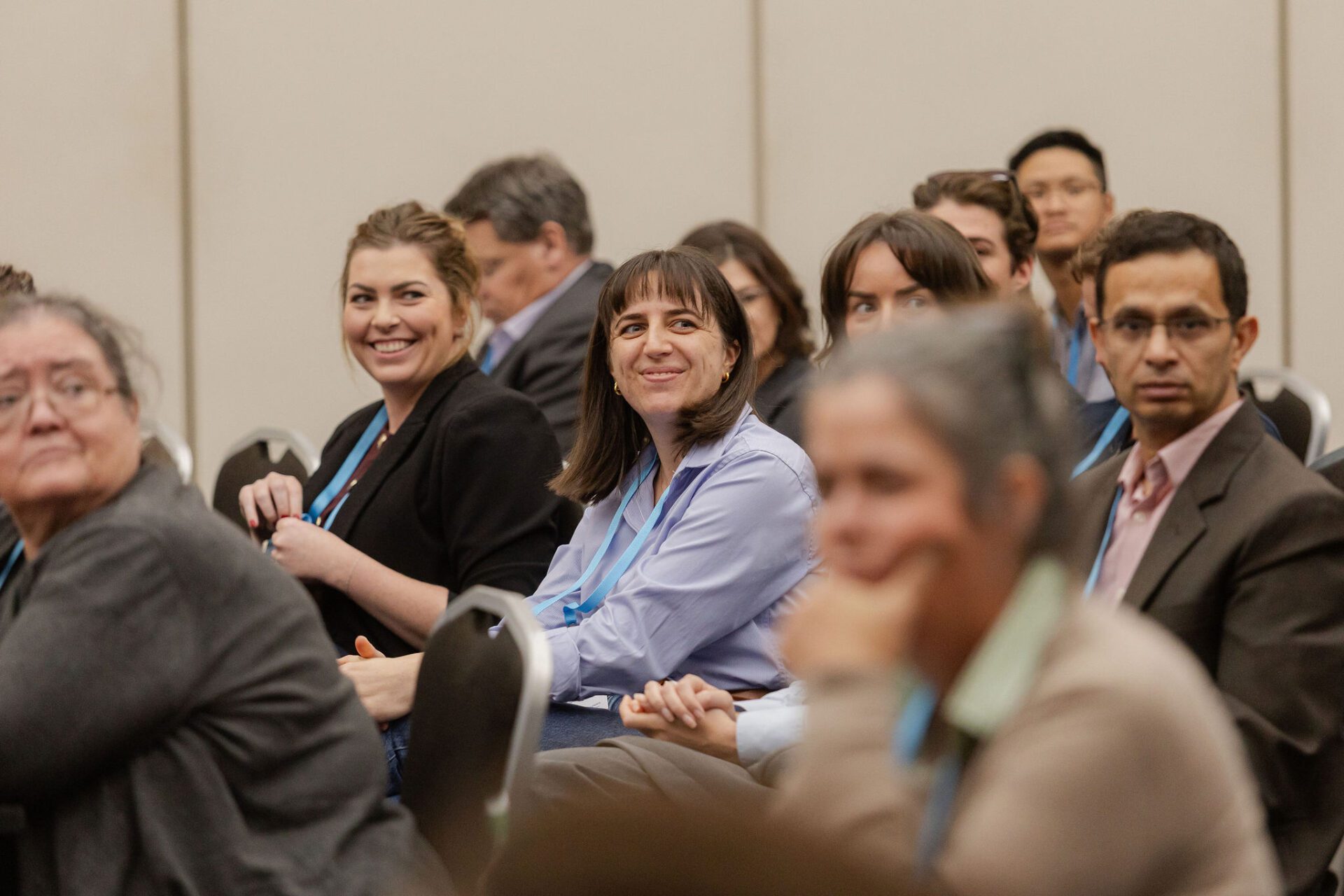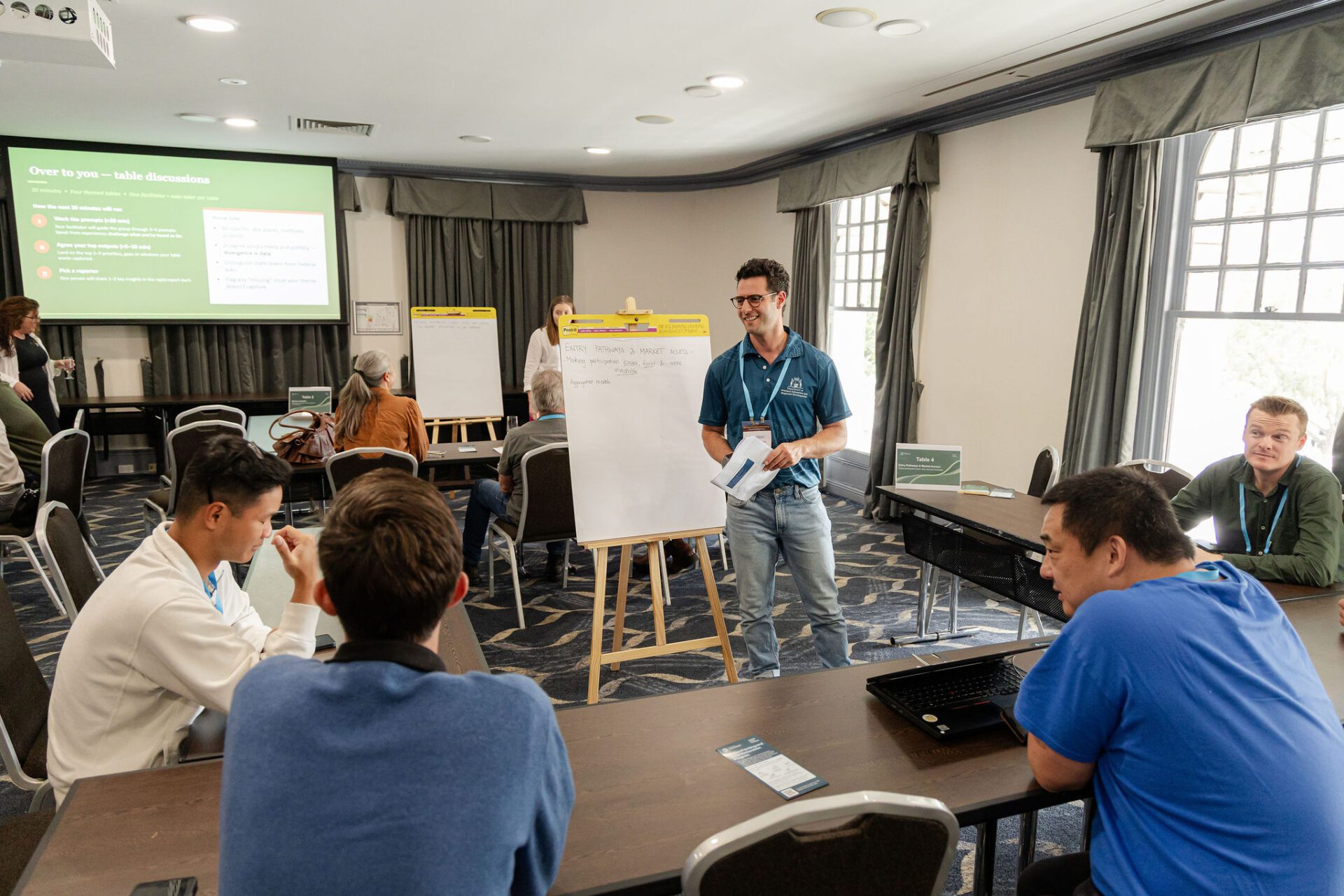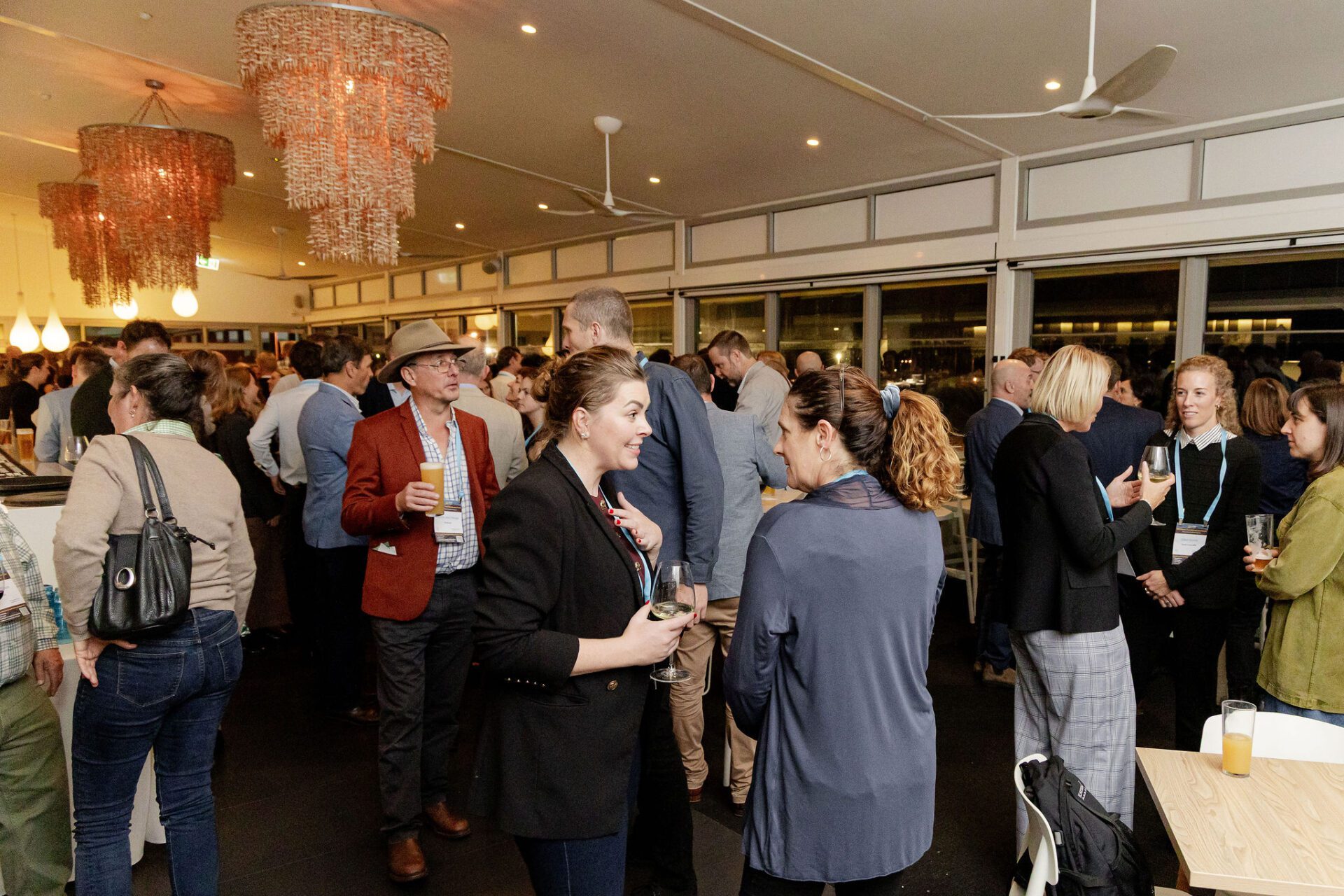
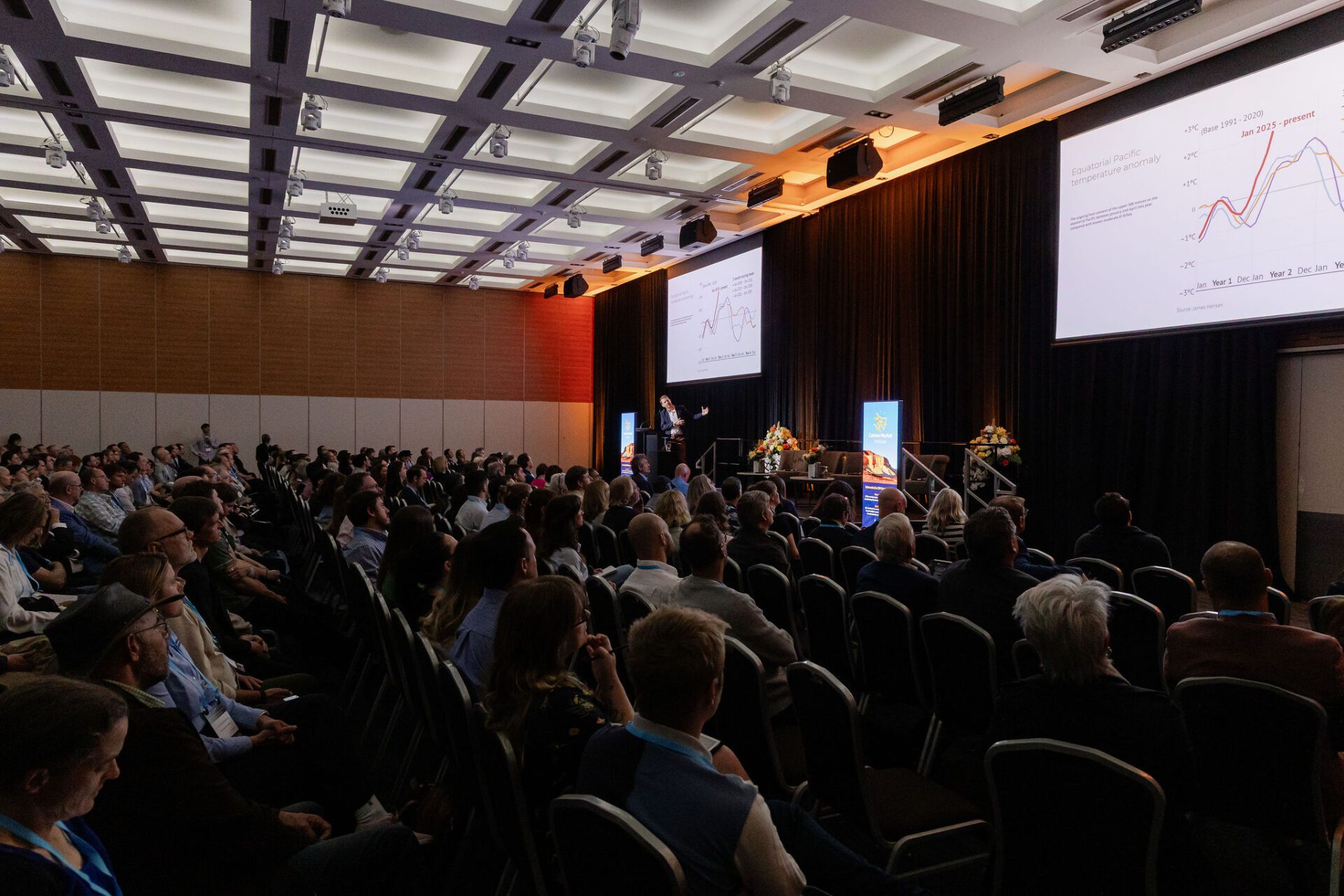
Across May 19, 20 and 21, over 400 delegates gathered at Walyalup (Fremantle) and on Whadjuk Noongar Boodja (Perth Region) as the Carbon Market Institute (CMI) delivered its biggest Carbon Farming Industry Forum to date. Delegates had the opportunity to gain practical insights into carbon project delivery through a bespoke pre-Forum site visit program to Plantrite Nursery and Bioligic’s biodiverse carbon project.
On the Forum, CMI CEO Sasha Courville said: “The Carbon Farming Industry Forum occupies a unique position in our industry’s events calendar, being the only event to bring together all actors involved in carbon farming. This year’s event was the biggest in CMI’s history, demonstrating the growing recognition of carbon farming as a tool in Australia’s broader climate policy suite.
Bringing the Forum to Western Australia also enabled valuable engagement with many industrial entities that have covered facilities under Safeguard Mechanism, the dominant source of demand in the ACCU Scheme. It was evident that these industrial entities are increasingly grappling with the complexity of their transition and the instrumental role of carbon projects in delivering climate, nature and regional outcomes. This moment presents an important opportunity for the Australian Government to lead the development of a strategy that supports high-integrity investment and innovation in Australia’s environmental markets”
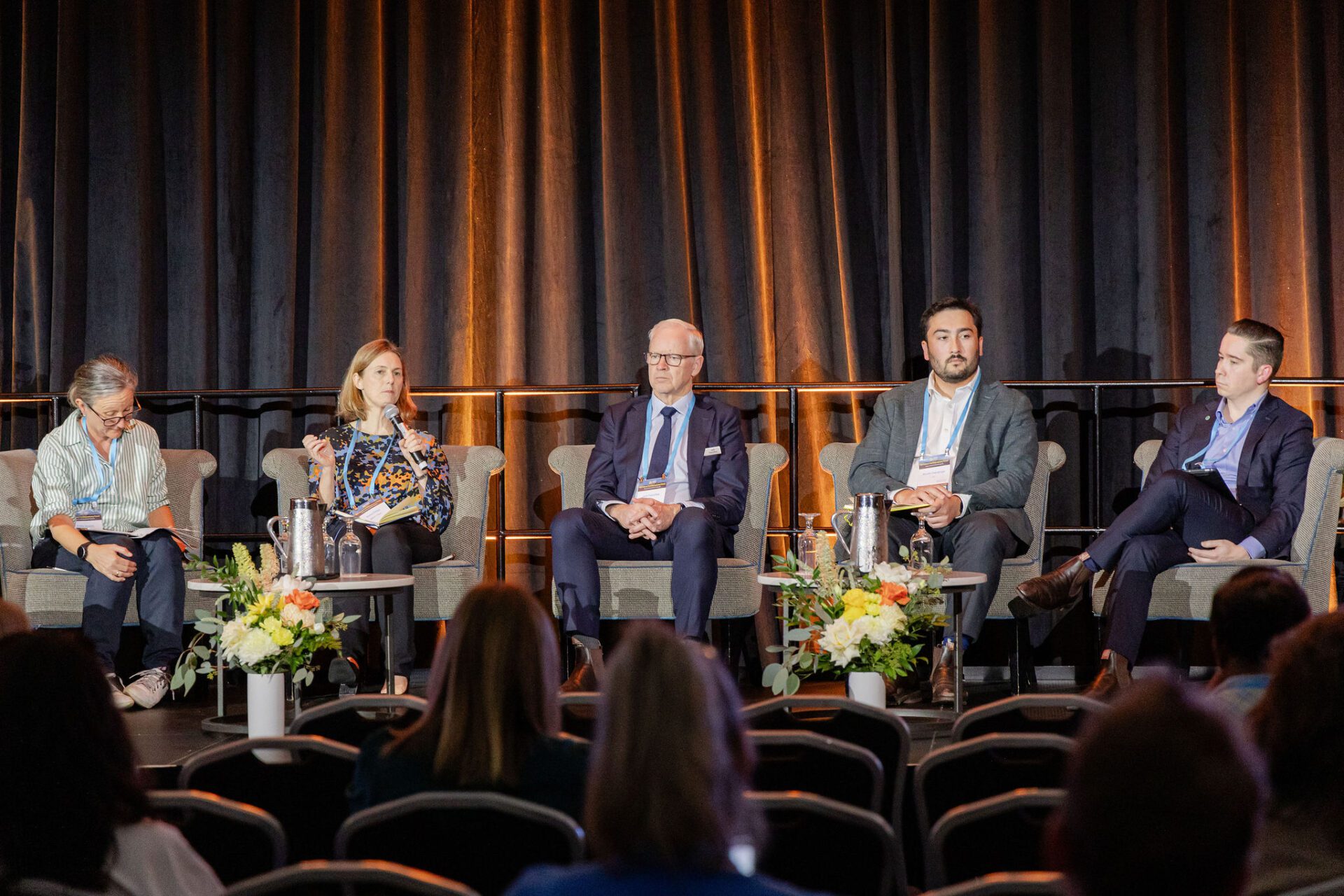
The two-day main Program delivered plenary sessions, workshops and rich conversations centred around the Forum theme: Carbon, Nature & Regional Prosperity. Highlights from the Forum are below.
Carbon, Nature & Regional Prosperity
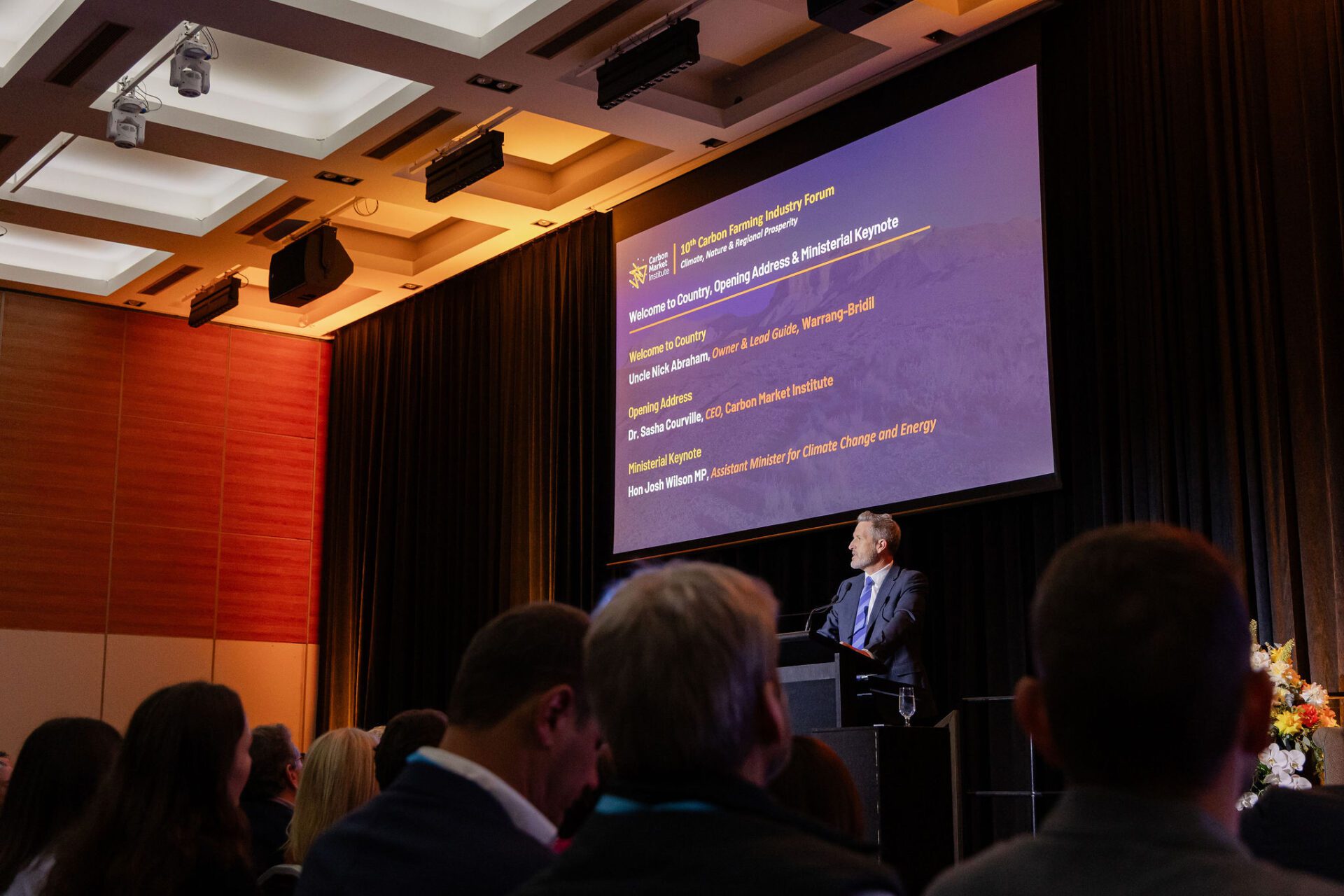
“If we reflect on the positive big-picture wins in what we might call Q1 of the 21st Century, the ACCU Scheme definitely goes on my list. Its significance and value will only grow. First and foremost in relation to our climate work. But also in its positive impact on our environment and biodiversity, and the economic opportunities it delivers for rural, regional, and remote Australian communities.” – Hon. Josh Wilson MP, Assistant Minister for Climate Change & Energy
“Too often we get defensive when we should instead be putting our energies into being uncompromising about quality. Because social licence will not be won by asking people to trust us because of what we say. It will be won project by project. Transparent claims. Conservative accounting. Credible measurement. Real landholder partnerships. First Nations engagement done early and properly. Ecological outcomes that can stand up in a room full of scientists. And carbon outcomes that can stand up in a room full of regulators.” – Dr. Phil Ireland, CEO, Carbon Neutral
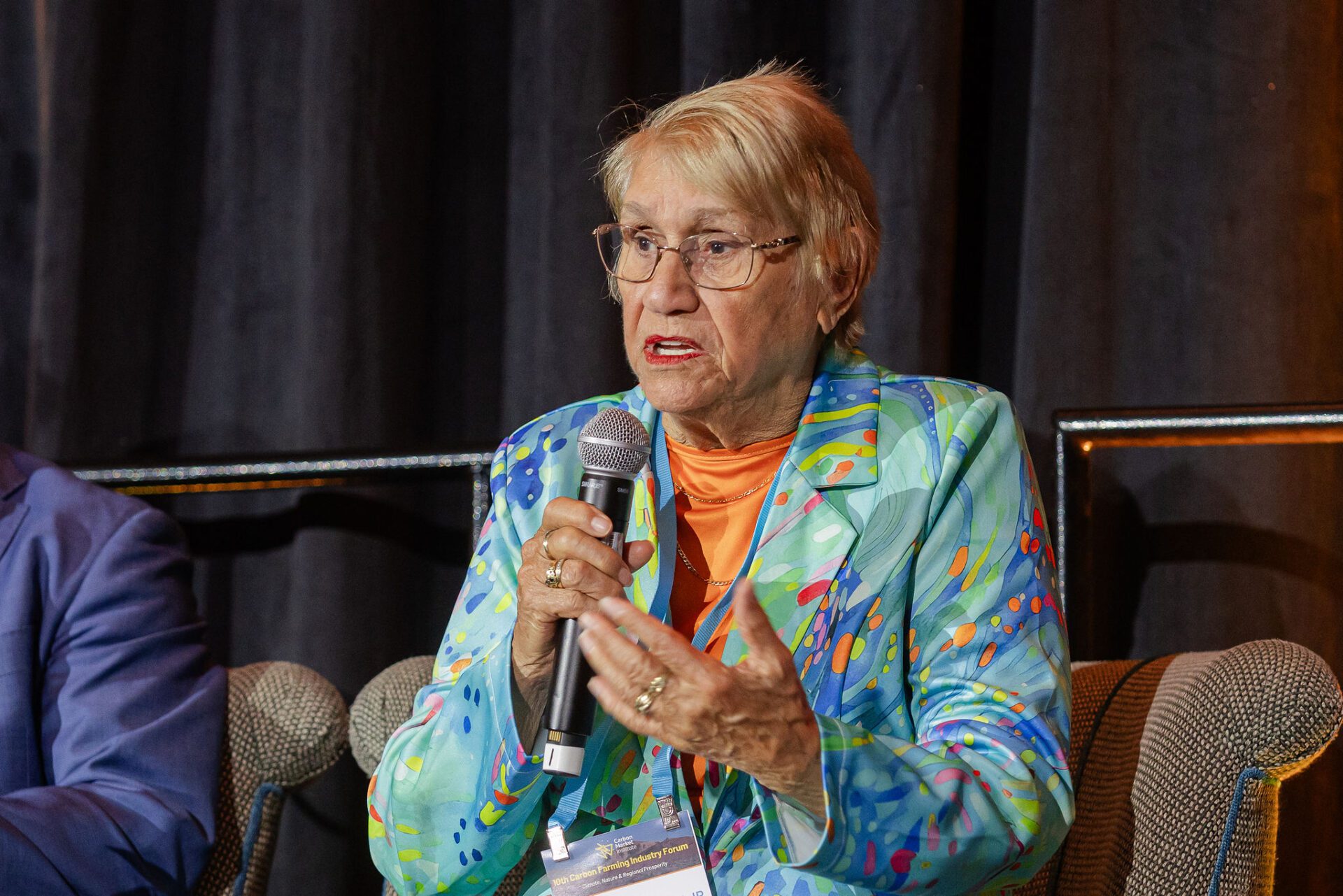
“We Aboriginal people have always managed carbon in practical senses. Through cultural burning, through maintaining biodiversity, through careful use of resources, and through respect of our Totemic systems. This isn’t new to us people. What’s new is the opportunity to recognise it, to value it, and build it into the current system. In carbon farming, reconciliation shouldn’t just be symbolic, it’s an opportunity to co-design, co-manage and recognise cultural knowledge.” – Auntie Carol Pettersen OAM JP, Elder Adviser, Yarramoup Aboriginal Corporation, Inductee into the Western Australian Women’s Hall of Fame
“Before it was a case of we didn’t have an industry… Now we’ve got to a point where we have more or less a critical mass… to start pulling together the disparate dots here and there. Peer-to-peer support, and peer-to-peer learning will make quite a difference.” – Kerrie House, Program Director, Carbon Farming and Bioenergy, Western Australian Department of Primary Industries and Regional Development
Carbon Market & Policy Developments
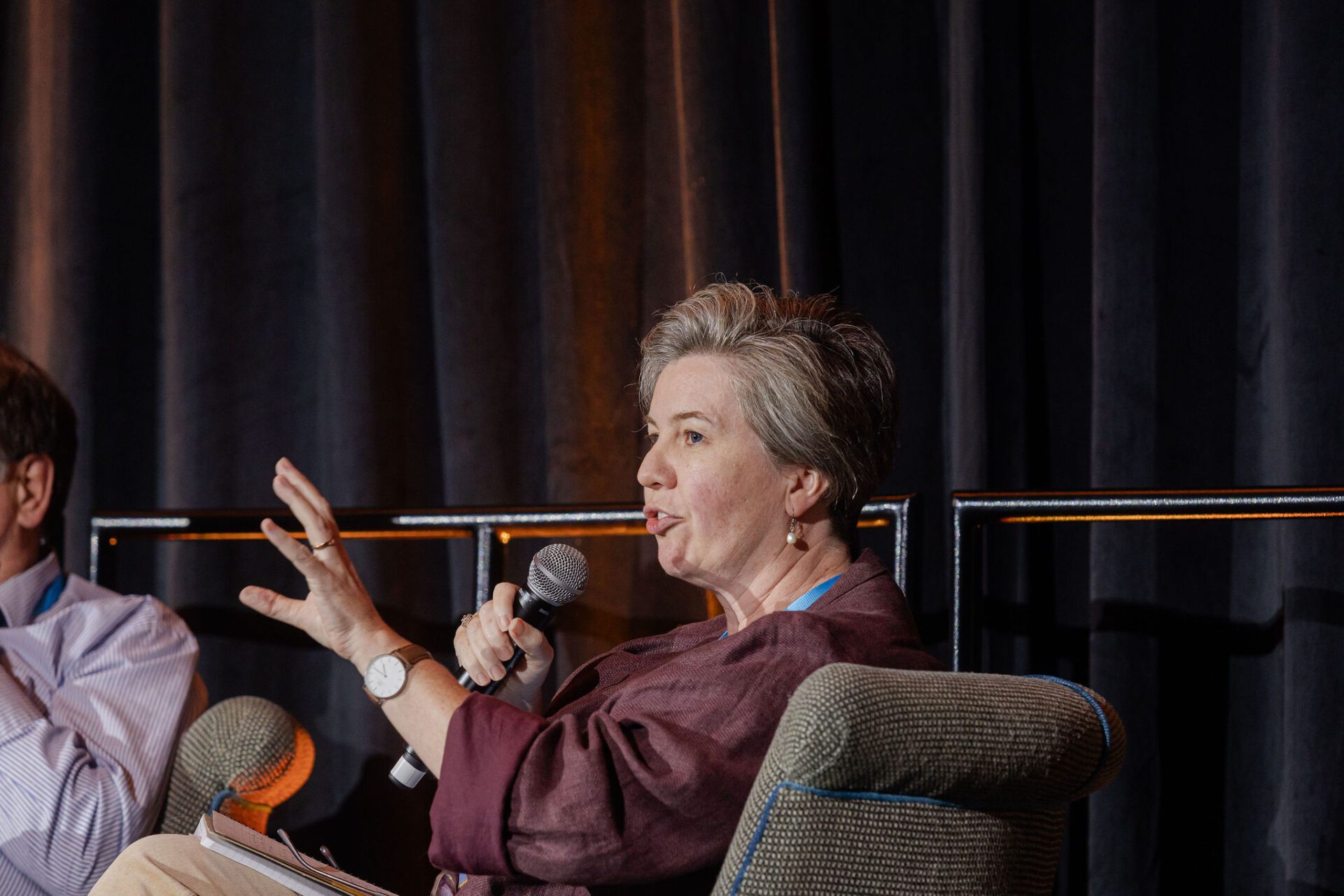
“There’s a risk in the ACCU Scheme, and that is that we can provide signals around settings and methods for improvements in measurement technology, but this Scheme relies heavily on public infrastructure. We have to make sure that that public infrastructure is sufficiently invested in to ensure that when we’re using it, we can be confident in its outcomes.” – Prof. Karen Hussey, Chair, Emissions Reduction Assurance Committee
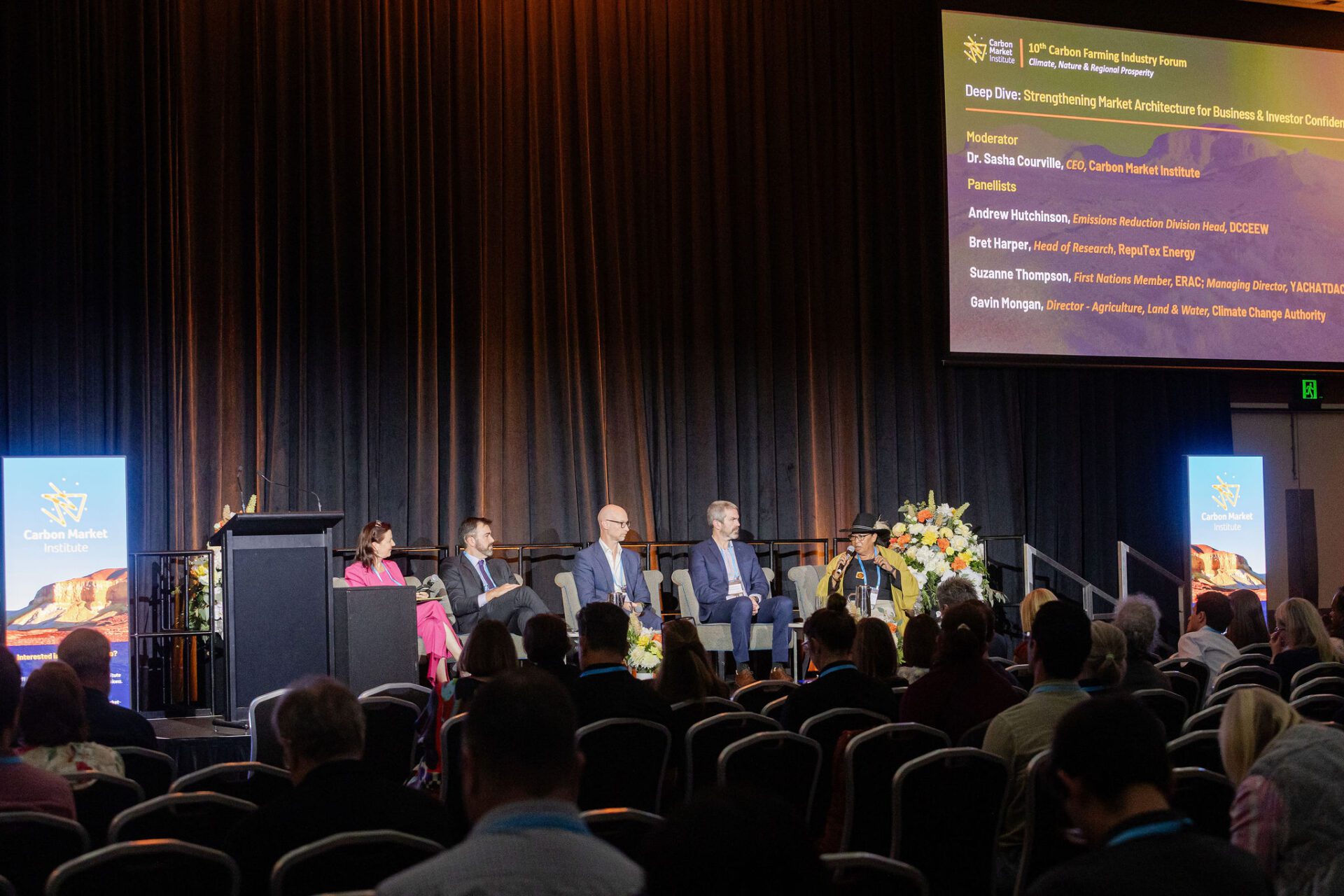
“We need to collaborate with industry to help to figure out what is the most pragmatic way to go forward. Not finding consensus, but finding the balance of what is the way forward.” – Andrew Hutchinson, Emissions Reduction Division Head, Department of Climate Change, Energy, the Environment and Water
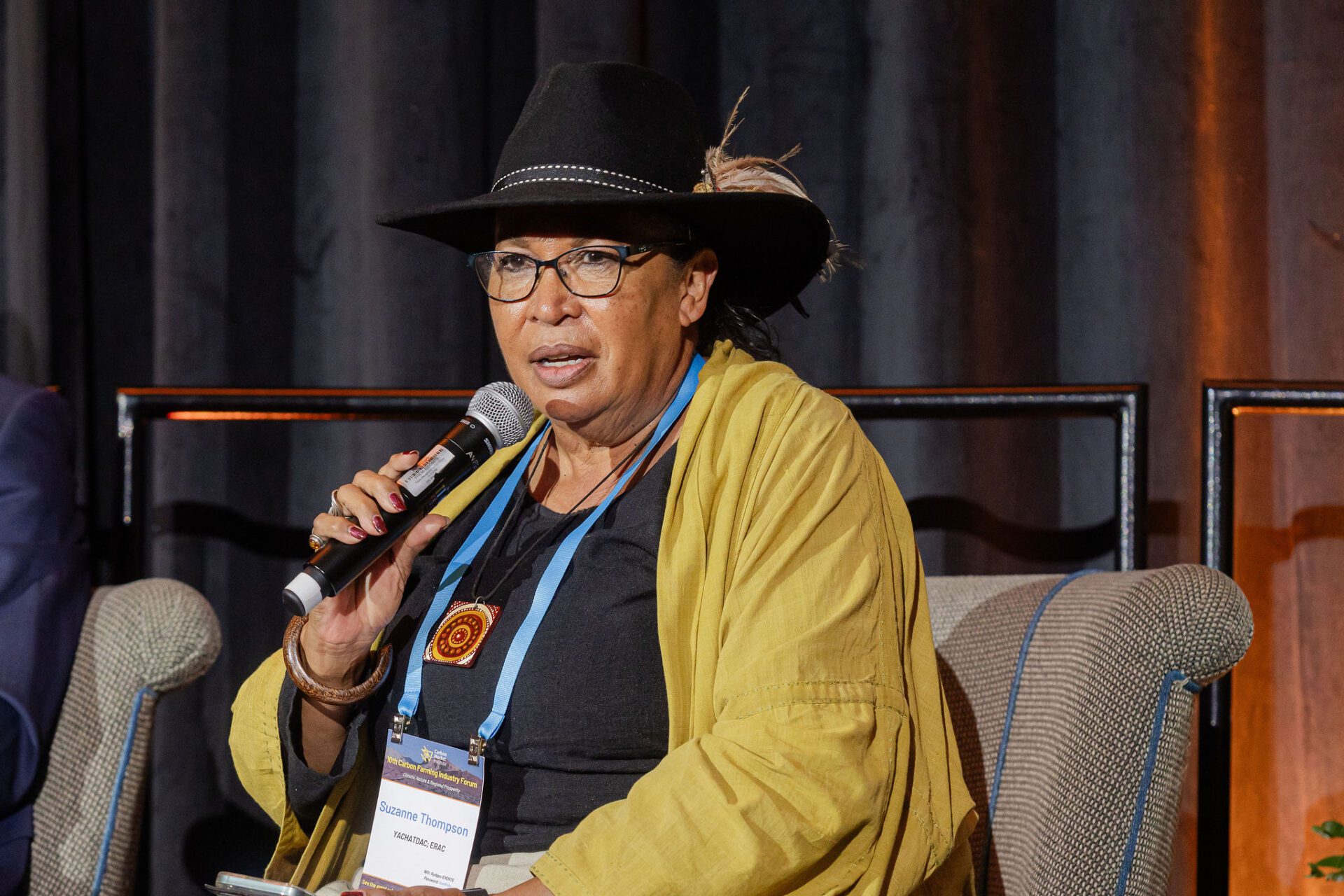
“The market is navigating a transitional period. Corporate demand is being driven by a new compliance environment. However, the voluntary market has softened, and this is reducing demand for many Indigenous credits including those from the Savanna Fire Management methods.” – Suzanne Thompson, First Nations Member, Emissions Reduction Assurance Committee
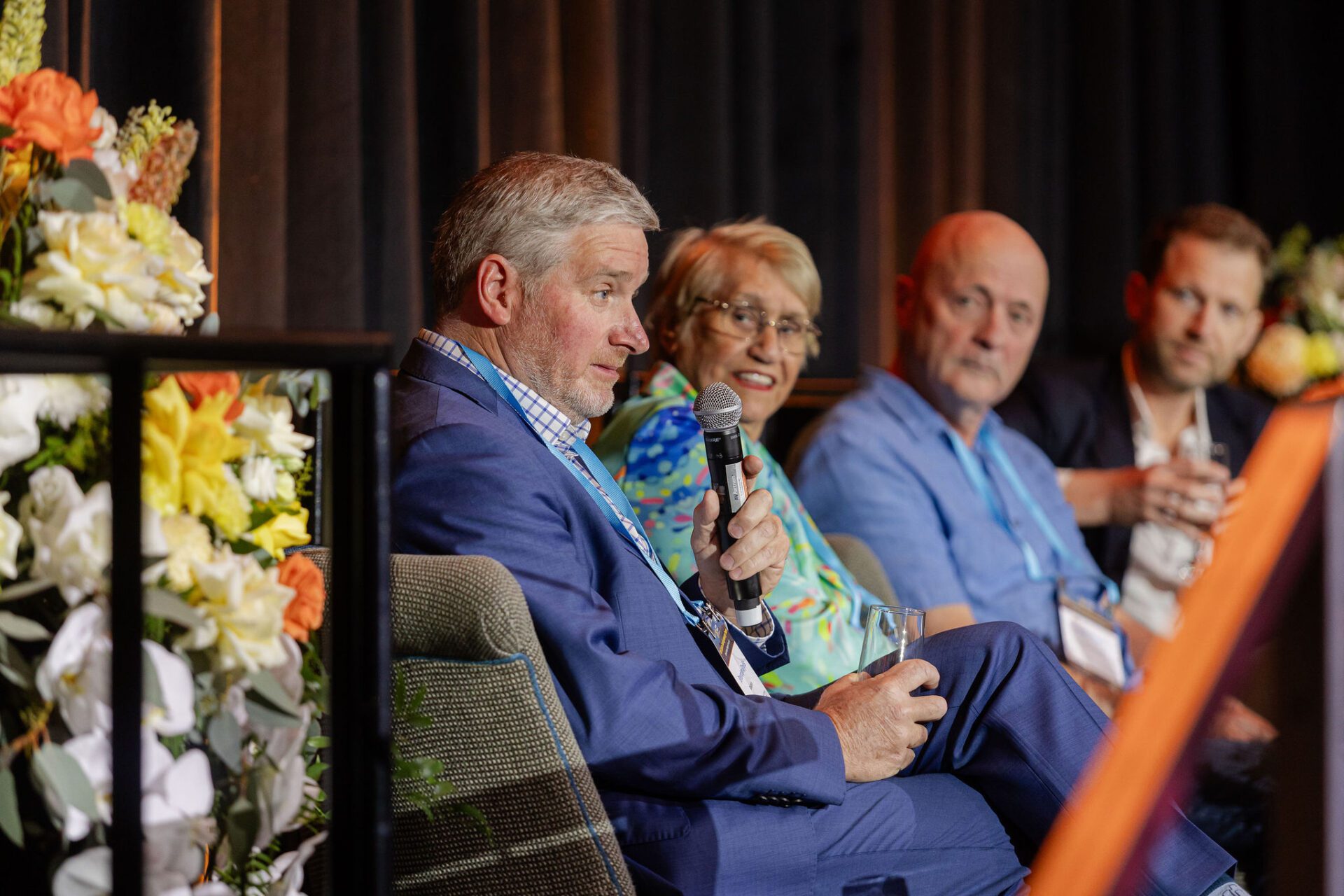
“We are committed to continuing and enhancing carbon farming projects. We know that carbon farming projects deliver multiple benefits including landscape restoration, traditional owner engagement, and regional employment opportunities.” – Hon. Matthew Swinbourn MLC, Minister for the Environment, Community Services & Homelessness, Parliament of Western Australia
“There is a lot that has been done in the integrity space, but integrity is never set.” – Gavin Mongan, Director – Agriculture, Land and Waste, Climate Change Authority
“The biggest risk to this sector is no longer industry participation, but it’s policy hesitation.” – Brendon Grylls, Former Leader, Western Australian Nationals; Executive Director, Salubris
“It’s always prudent to do the reviews of the policies, but you also want to have confidence in the policy. So, the key is to resist the urge to make major changes, but to think about what really needs to be addressed. What needs to be done now to prevent the policy going off the rails in the future, and what can be set aside for now.” – Bret Harper, Head of Research, RepuTex Energy
Indigenous Leadership
“As we move towards setting up and firming what the Nature Repair Markets look like in Australia, we must take the lessons learned and knowledge gained from carbon market history to help inform the creation of NRM the right way – especially when it comes to First Nations involvement, engagement, participation and Indigenous leadership in that world– to make sure that you make space for Indigenous people – our ways of thinking, perspectives and values are not only present but elevated – because when it comes to Country we are a group of people that couldn’t love it more than we do. We are connected to it, have responsibility to it. And look after more than 60,000 odd thousand years, we have a pretty good track record!” – Sam Murray, CEO, Indigenous Desert Alliance
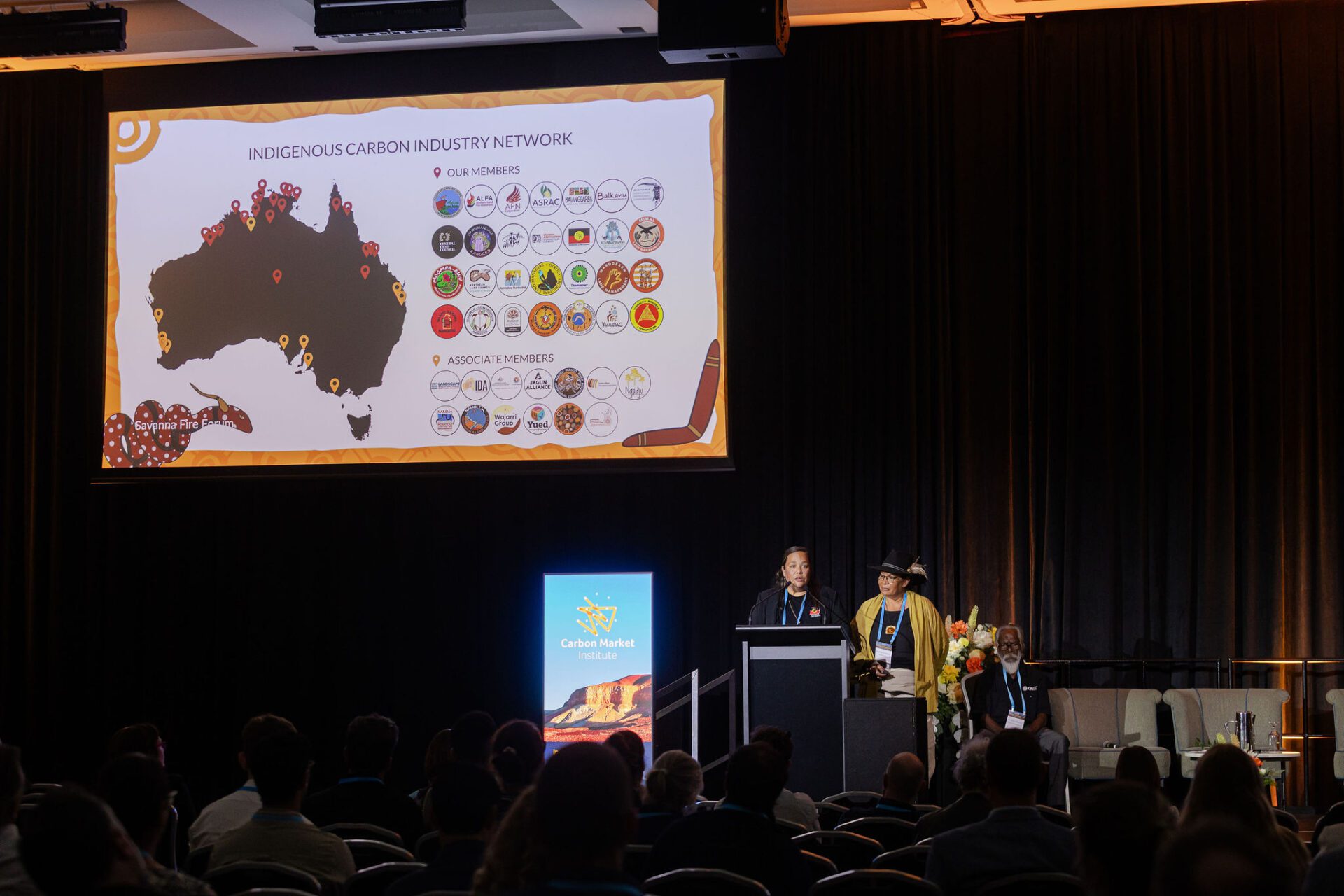
“These aren’t short term decisions. These are generational decisions that have outcomes.” – Sarah Parriman, Director, Indigenous Carbon Industry Network; Deputy CEO, Kimberley Land Council
“Holistically, it’s not just carbon projects or benefits. It’s this very rich relationship with building kinship on Country.” – Sheree Strauss, Western Australian Aboriginal Partnerships Manager, Bush Heritage Australia
“To us, carbon farming is not just carbon farming. It is cultural healing and a sense of belonging. That’s what reconciliation looks and like and feels like on Country.” – Auntie Carol Pettersen OAM JP, Elder Adviser, Yarramoup Aboriginal Corporation, Inductee into the Western Australian Women’s Hall of Fame
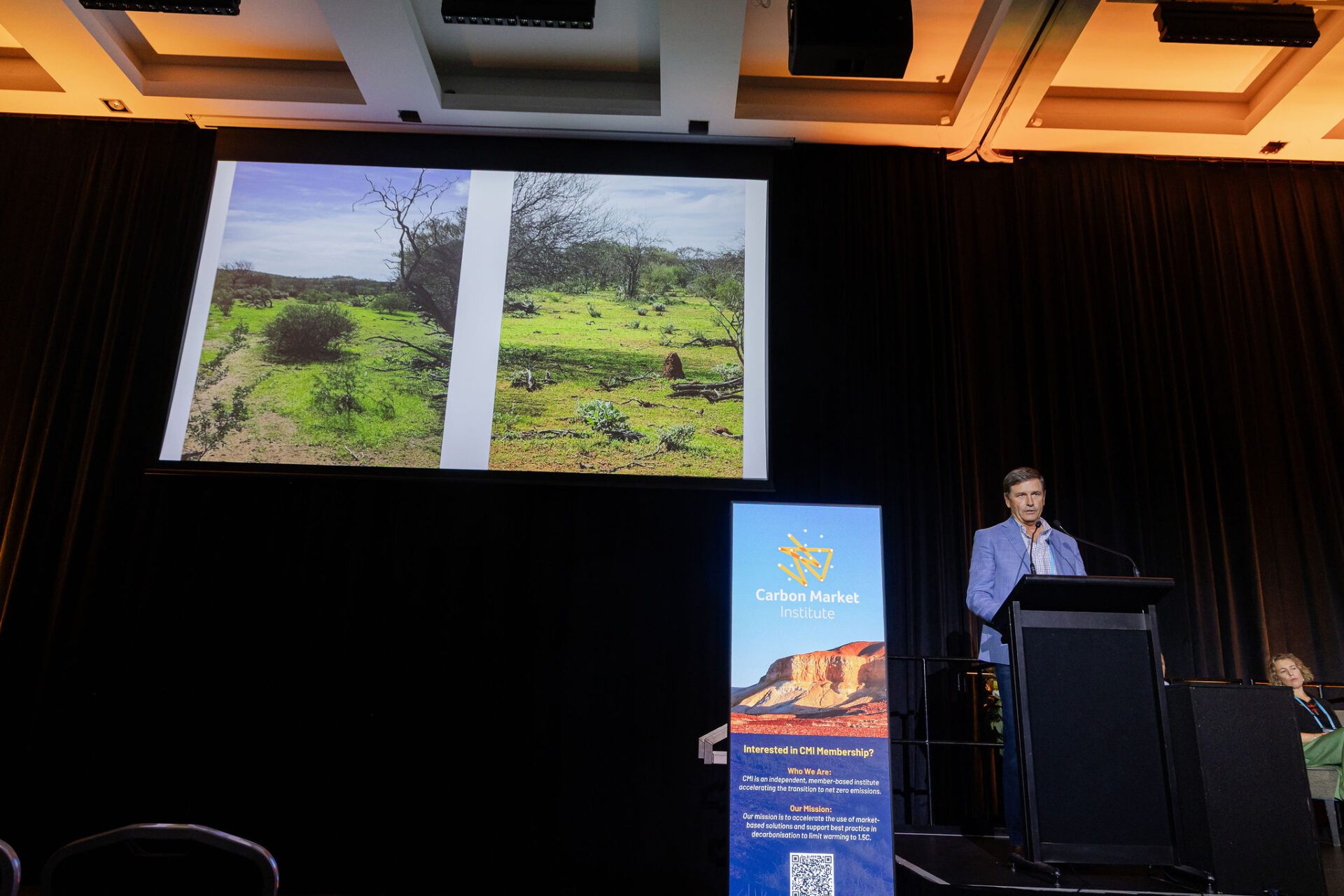
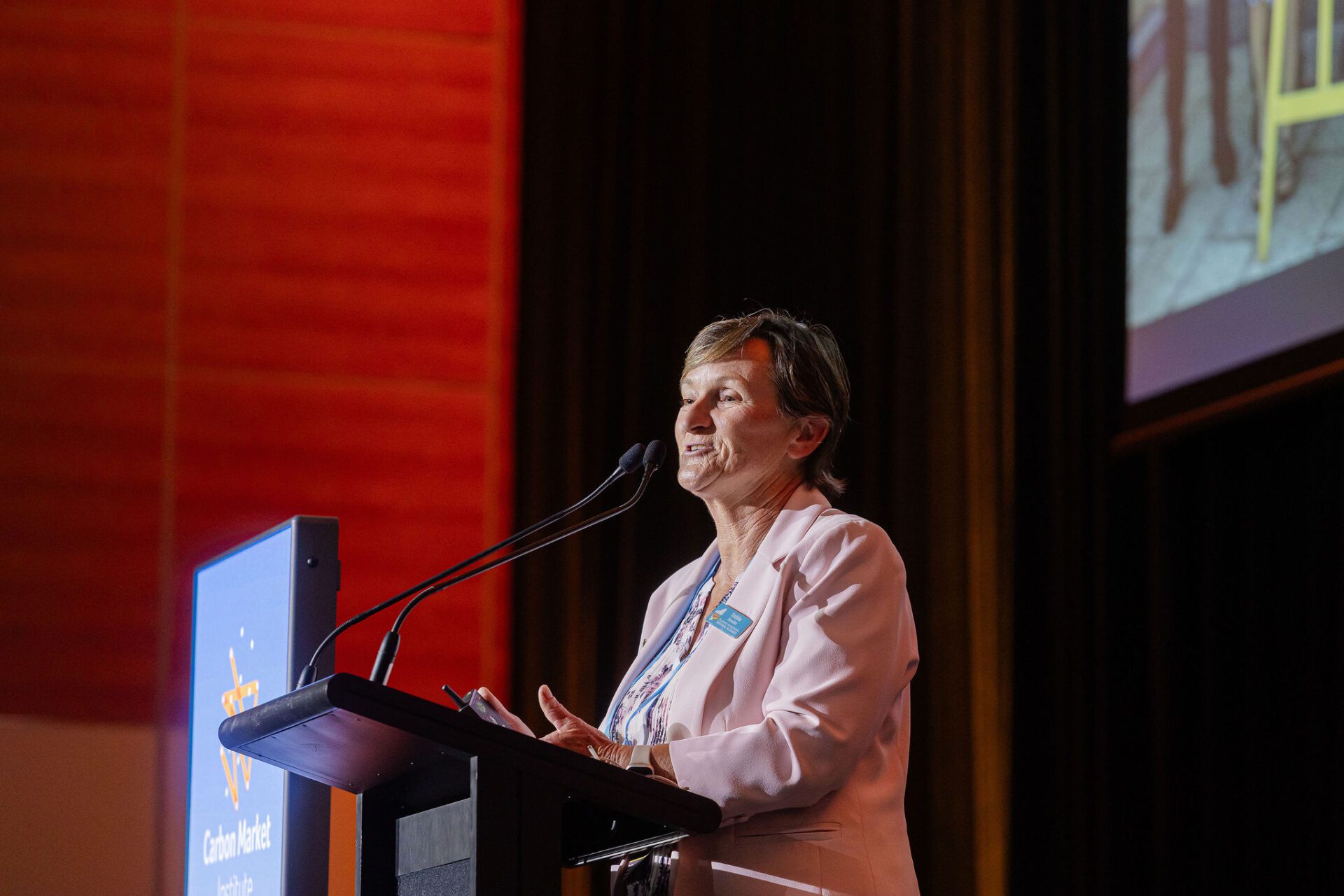
Agricultural & Land Sector Decarbonisation
“Where there’s any positive environmental benefits, animal welfare, and where carbon farming is supporting existing systems rather than replacing them, then that’s good social license.” – Cindy Stevens, Owner, Hacienda de Trigo
“Through our infrastructure growth – namely internal fencing – we’ve been able to implement rotational grazing, which has improved our profitability and our kilos out the door. We wouldn’t have been able to do this without a carbon project.” – Adrian Florance, Owner, Wagga Wagga & Managing Director, Nookawarra
“Having a carbon project makes you really passionate about regenerating your country, because there’s now a return on investment on that activity.” – Debbie Dowden, Former Owner, Challa Station; WA Chair, International Year of Rangelands and Pastoralists
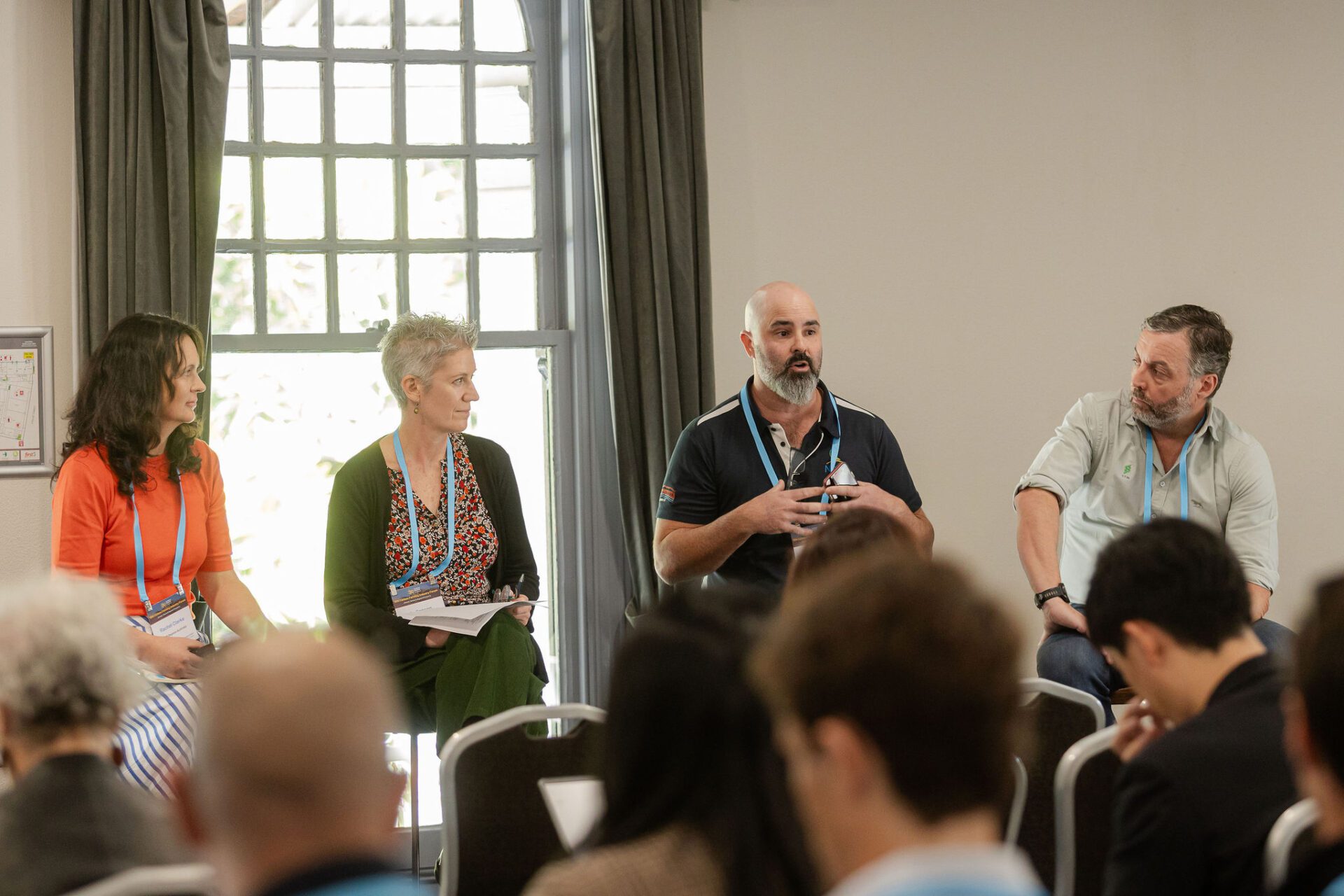
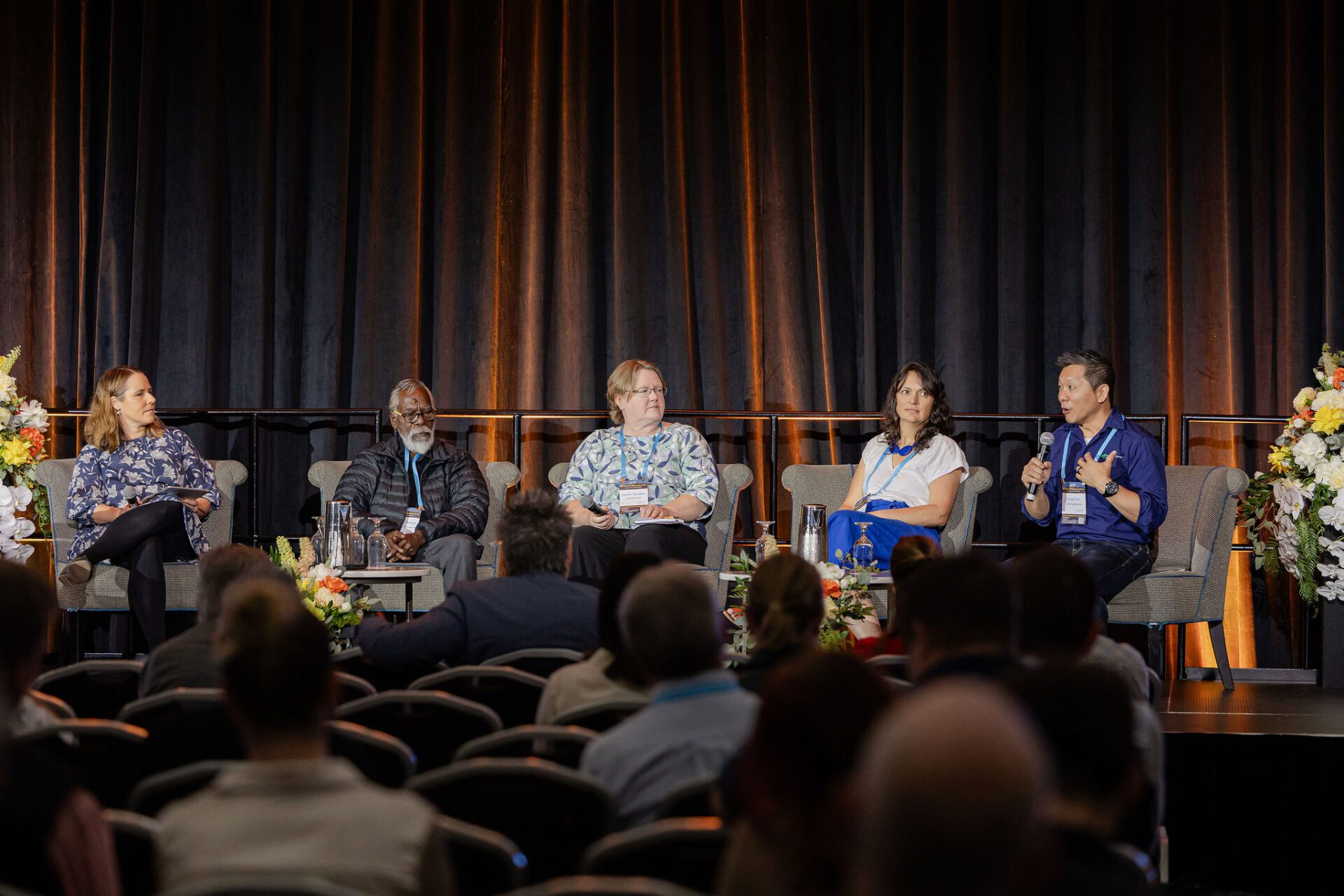
The Nature & Climate Nexus
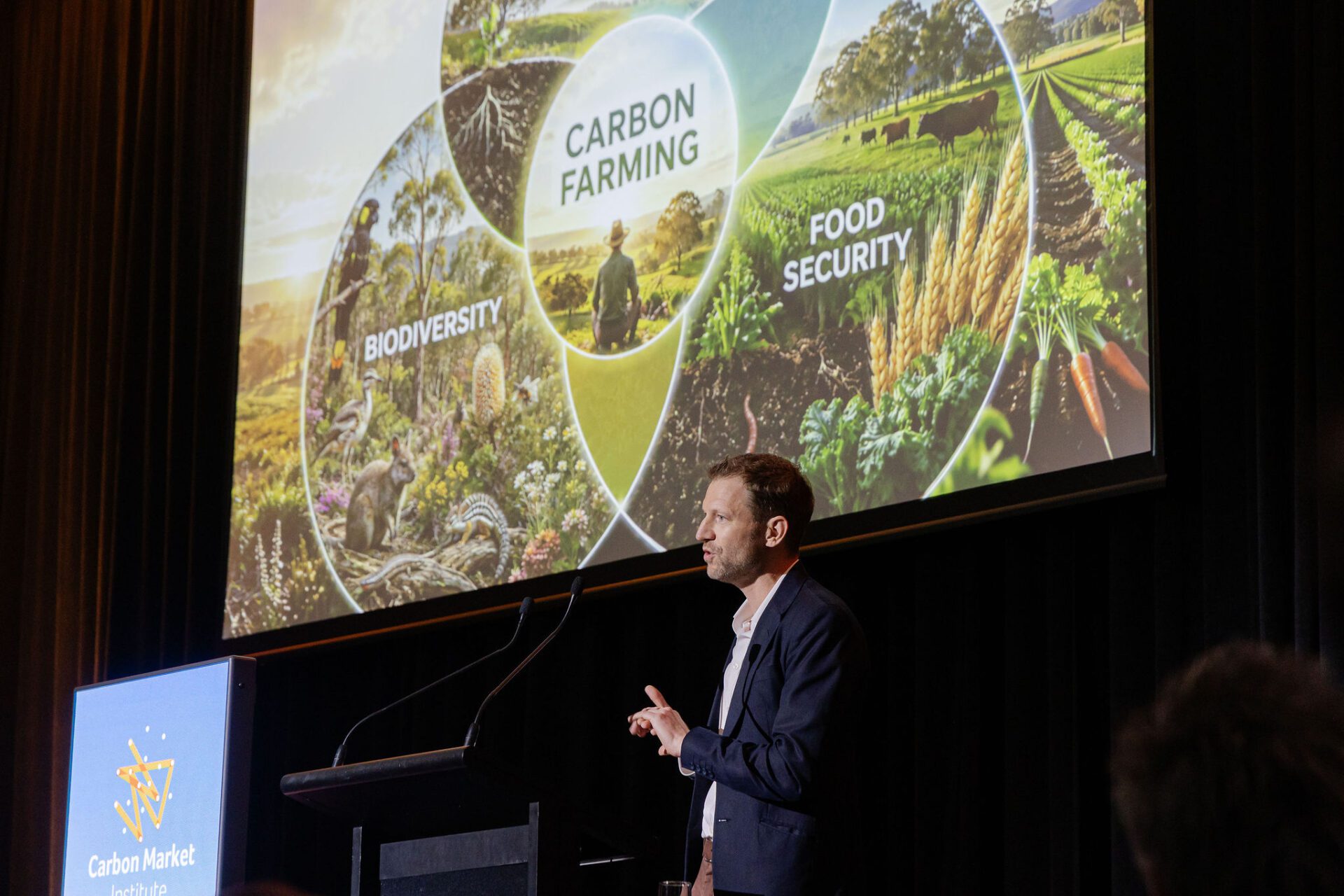
“Carbon farming sits at the nexus of not just the climate crisis, but also the biodiversity crisis, and the food security crisis that is coming upon humanity. We are not just moving tonnes around a spreadsheet. We are rebuilding living systems. We are restoring habitat. We are improving soils. We are creating regional jobs. We are making landscapes more resilient to heat, drought, erosion and ecological decline.” – Dr. Phil Ireland, CEO, Carbon Neutral
“The reason why we don’t have a standardised guideline is because the environment is a complex beast. To try and translate that into a single standard is a lot of work. It gives me a lot of confidence though, to see people working with the state-based standards and work towards that… A standardised values set, or rule set, to be able to standardise how we measure nature and adaptation outcomes is where the market needs to move to.” – Cuong Tran, CEO, Covalent Land Australia
“Landholders should be able to pursue both carbon and biodiversity outcomes.” – Elizabeth Edye, Director, Nature Finance and Markets, Department of Climate Change, Energy, the Environment & Water
“Having integrated approaches at that landscape levels means achieving outcomes at a landscape level.” – Jo Sanson, Program Impact Manager, Climateworks Centre
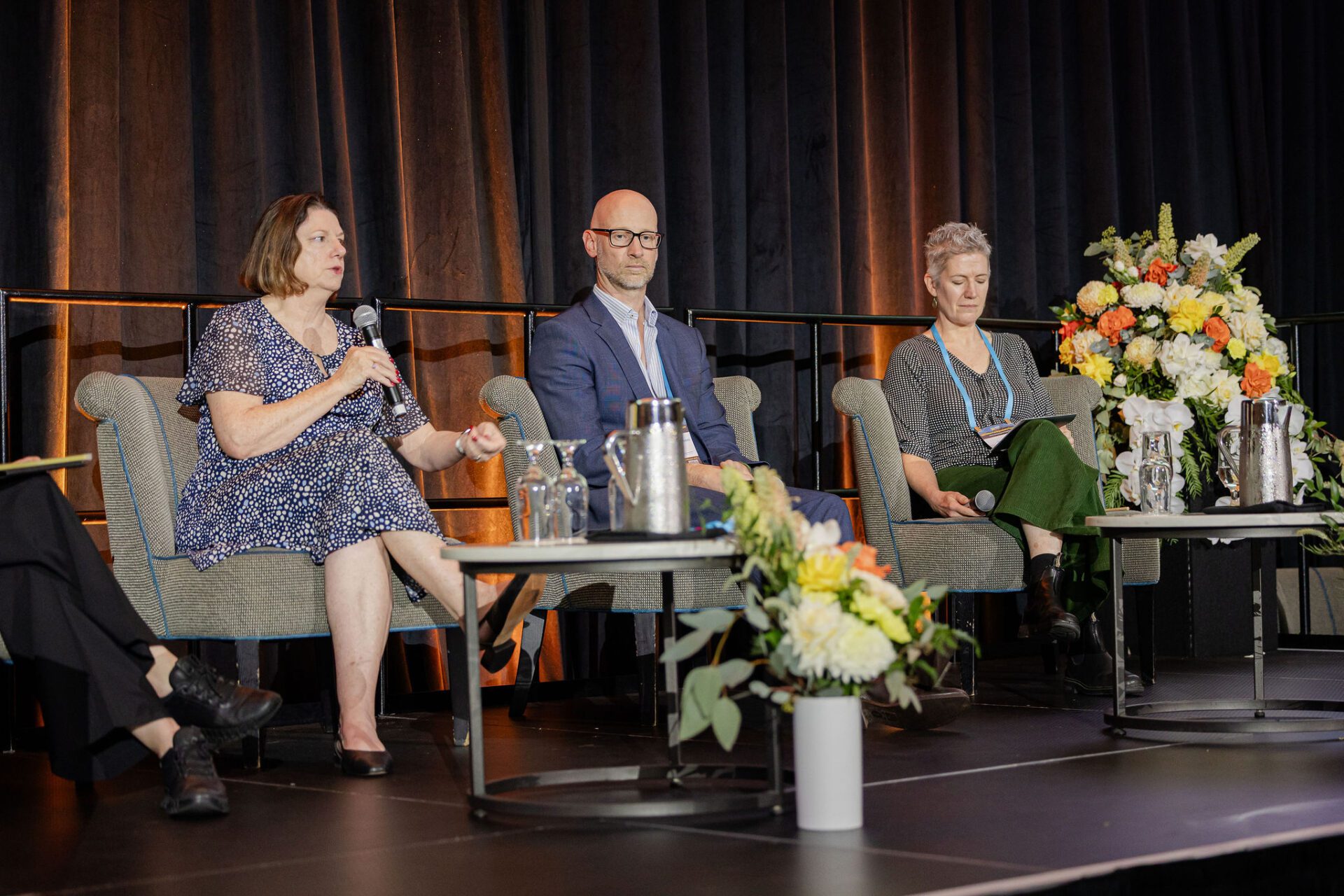
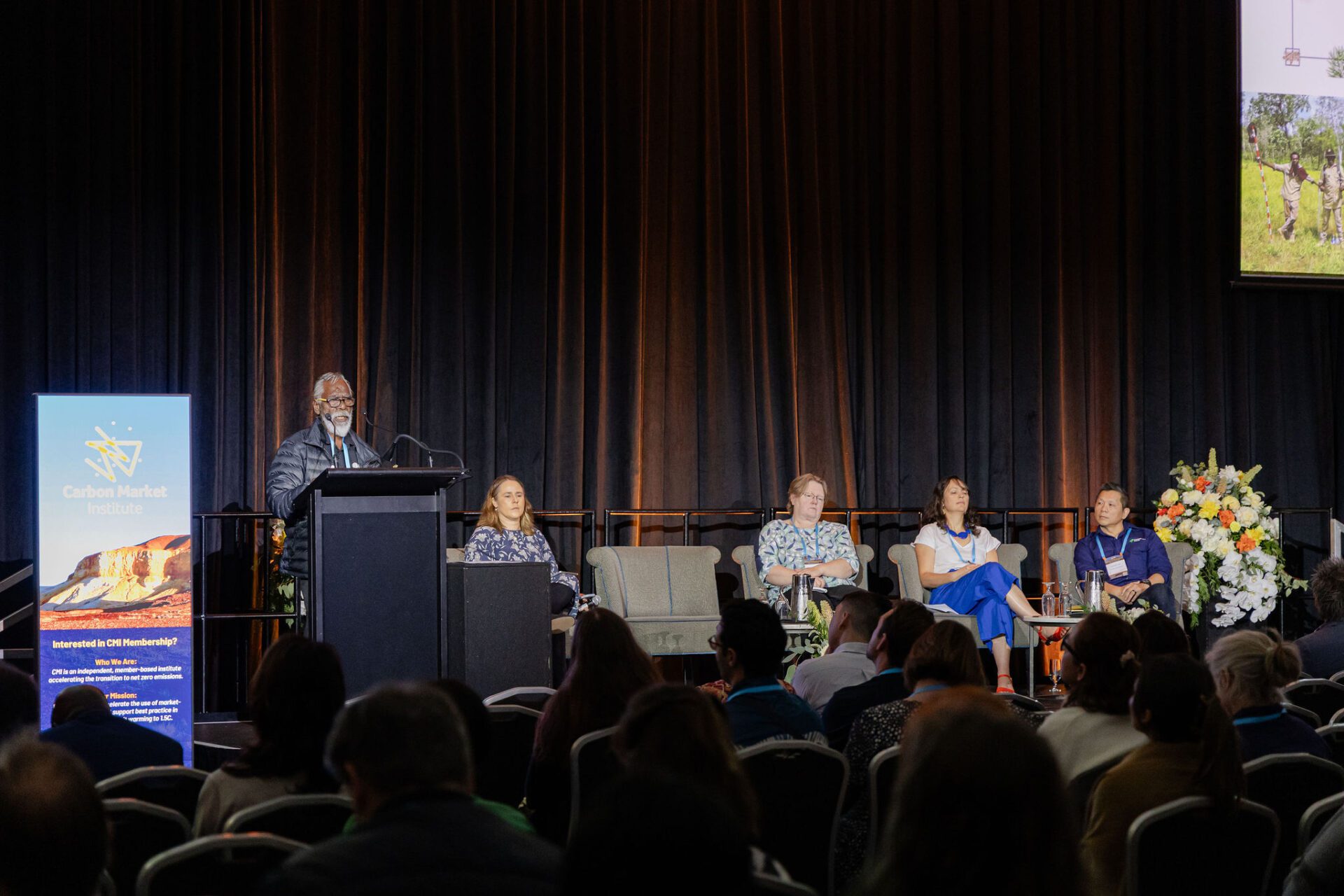
Communicating Benefits & Building Capacity
“There are a lot of farmers out there who want to leave their land in a better condition, so let’s support them to do that.” – Kerrie House, Program Director, Carbon Farming and Bioenergy, Western Australian Department of Primary Industries and Regional Development
“Carbon companies that work in partnership with our people are empowering us to develop human-induced regeneration projects.” – Leechelle Hammat, Project Officer, Salubris
“Now we’re doing cool burning every year, and making sure that there’s no wildfire pushing into our regions, and knowing that our rangers have the opportunity to learn how to apply fire.” – Dr. Dean Yibarbuk, Senior Ranger, Wardekken Land Management; Co-Chair, Indigenous Carbon Industry Network
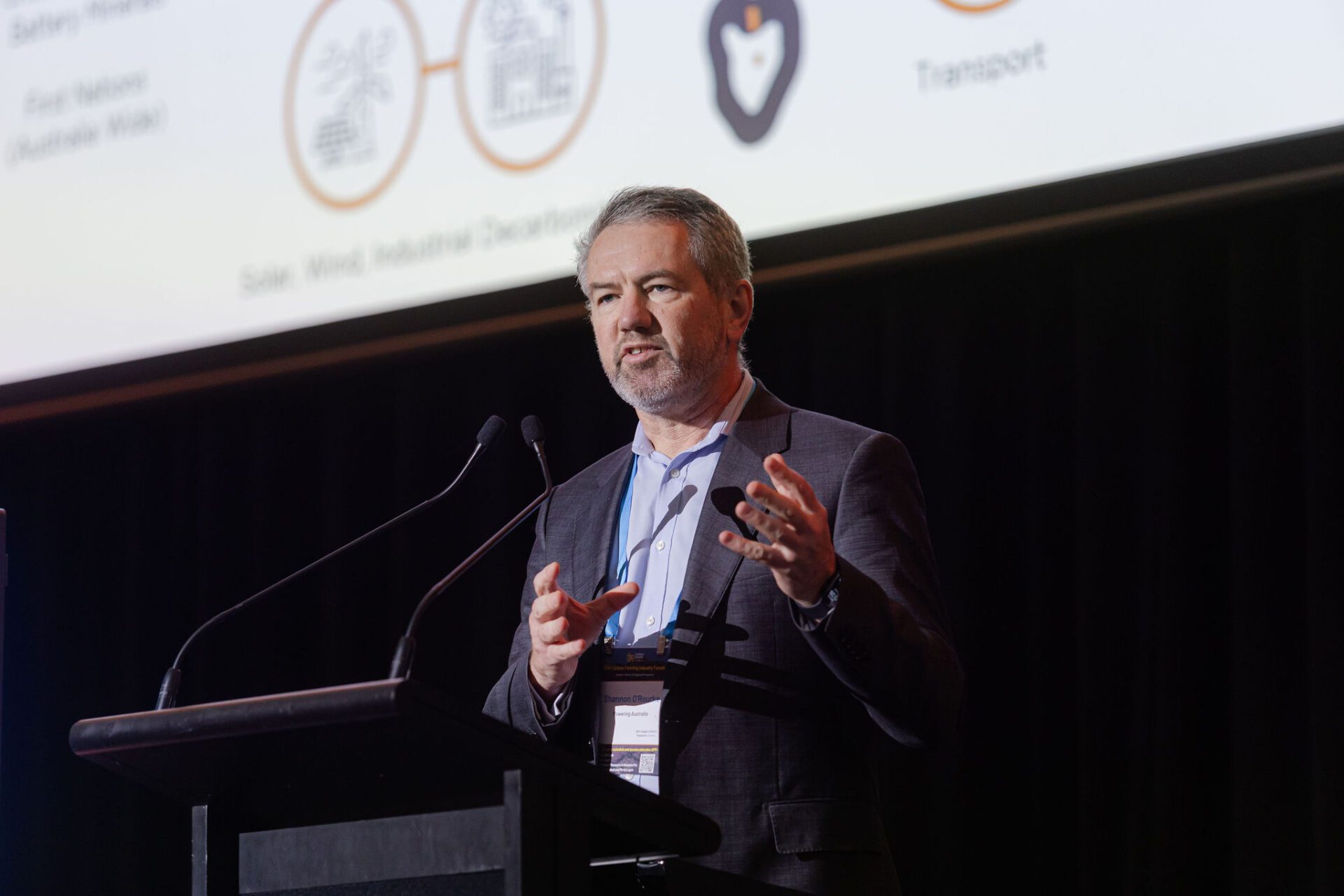
“If we can get the workforce piece right, the carbon sector becomes one of the biggest opportunities to build skilled employment opportunities in regional centres. But if we get it wrong, we risk creating another extractive sector.” – Shannon O’Rourke, CEO, Powering Australia
Social Licence & Community Engagement
“It’s not all about the money. The financial dividend, yes, but what I talk to my Board of Directors, the Elders and the proponents about, is the social dividend. And that’s really what it’s all about… The social dividend and the preservation of culture is almost more important for my people than the money.” – Stephen Rogers, CEO, Ngadju Native Title Aboriginal Corporation
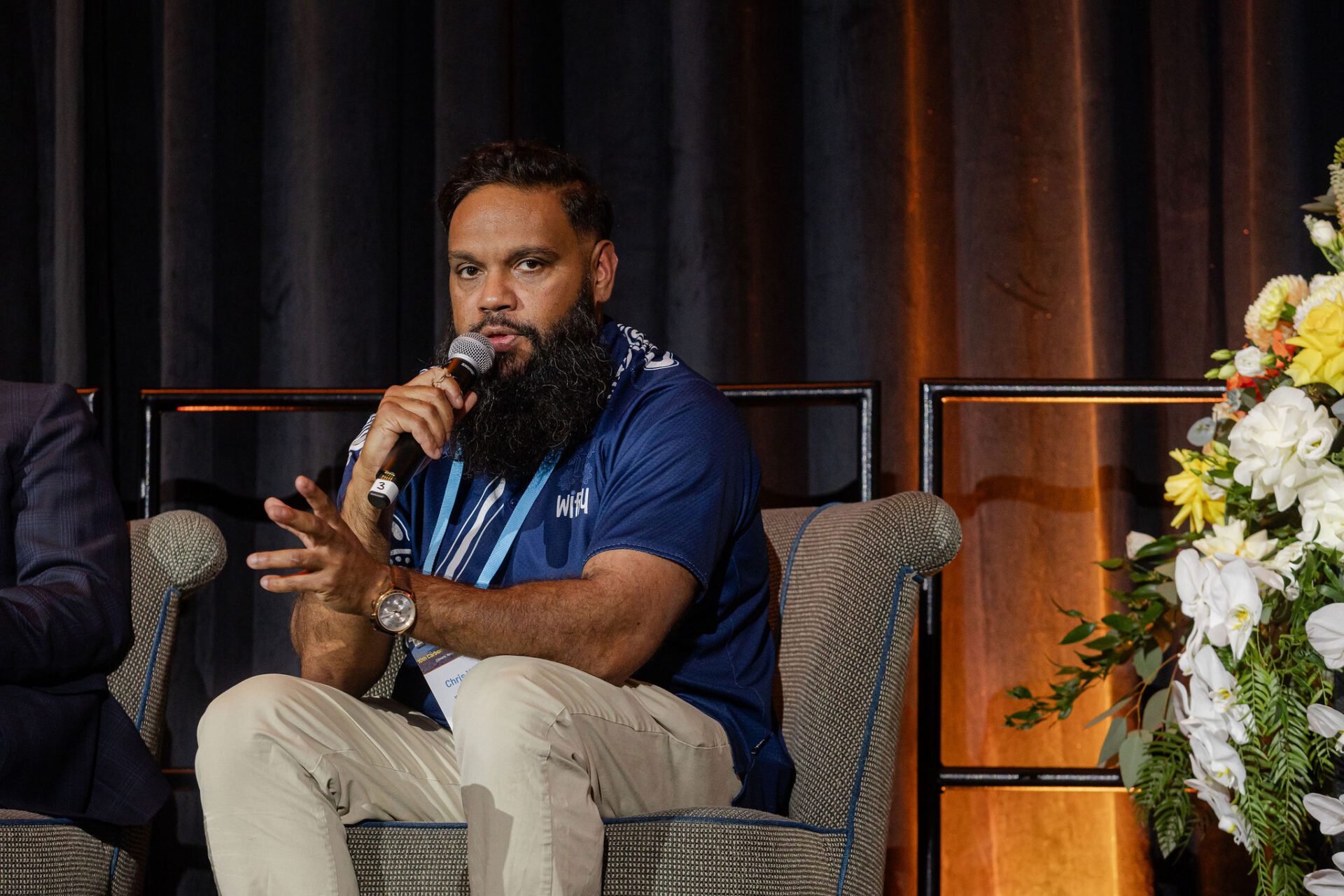
“It’s about the relationship as well. In language we say Napatji Napatji. It’s reciprocal. If you want to come and do something on my Country, what are you going to do for me?” – Chris Warrior, Founder & Operator, Wiru Drone Solutions
“It’s a way to support mob to keep doing what we have always done, which is caring for Country. Because it’s not only good for us to care for this Country, but it’s good for everyone and Country everywhere.” – Sam Murray, CEO, Indigenous Desert Alliance
Scaling Financial Flows into Land-Based Projects
“Net zero comes at the point at which climate change stops. Not instantly, but it will gradually slow down and stop damaging the environment. We have to get there, and we have to have a way to transact sequestration in one part of the economy, with emissions in another. That’s called an emissions trading system. It won’t be perfect, but it’s necessary.” – David Parker, CEO & Chair, Clean Energy Regulator
“It’s getting tough now. The world’s gone crazy, and when things like that happen, corporates stop investing or delay decisions. There are people that want to build outcomes, but there is resistance.” – Heather Campbell, CEO, Greening Australia
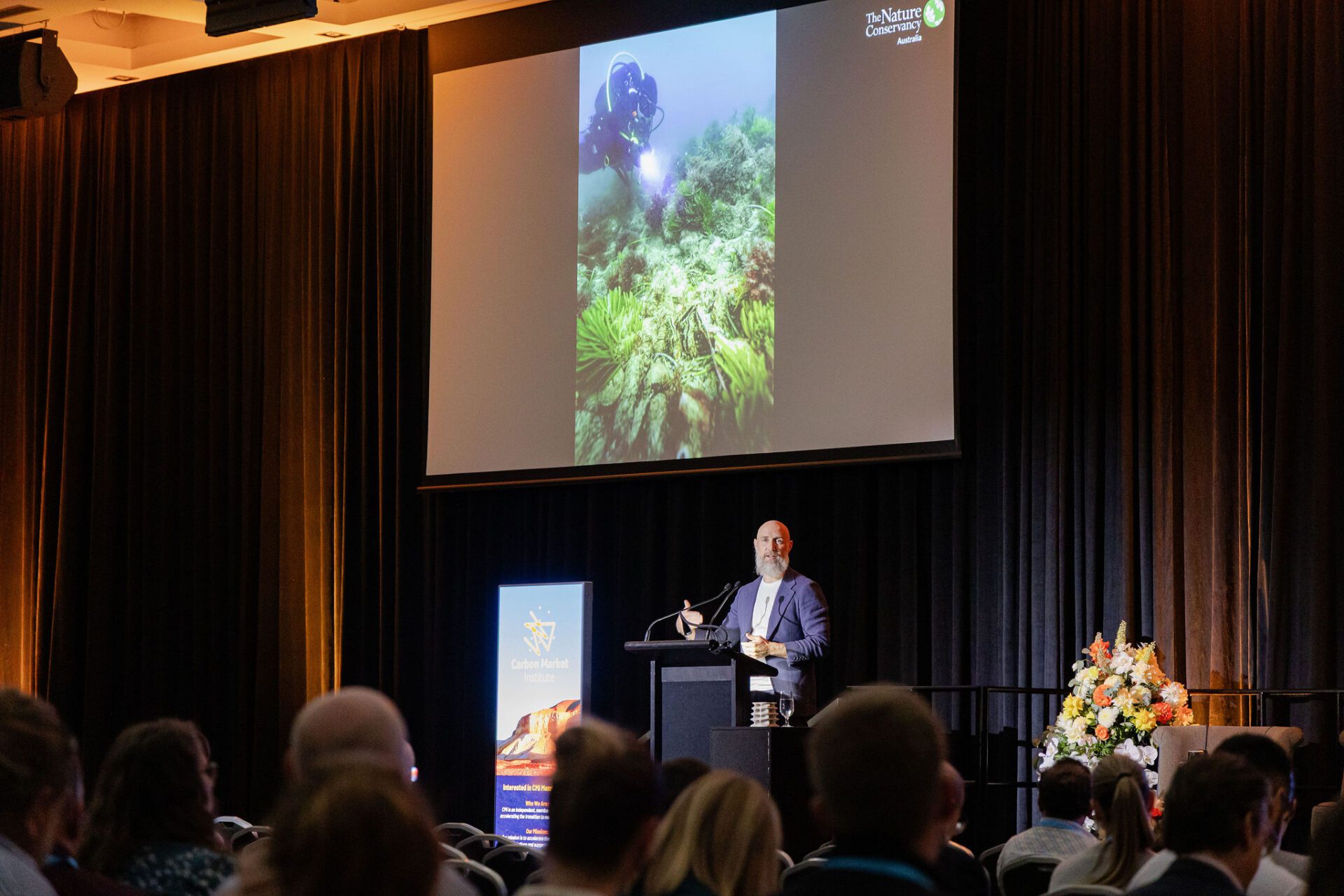
“This is not really a sales pitch for this work, so much as a plea for all of the smart energy and enthusiasm in this room that has built a market approach that has been really beneficial for carbon farming, to create a similar approach to finance nature and all the outcomes it can achieve.” – Eddie Game, Senior Lead Scientist & Director of Conservation, Asia Pacific, The Nature Conservancy
“As an asset class, it is far easier to invest in something where there is clear demand. Unfortunately, the nature markets are still very early days on the demand side.” – Cheryl Bowler, Head of Environmental Origination APAC, Hartree Partners